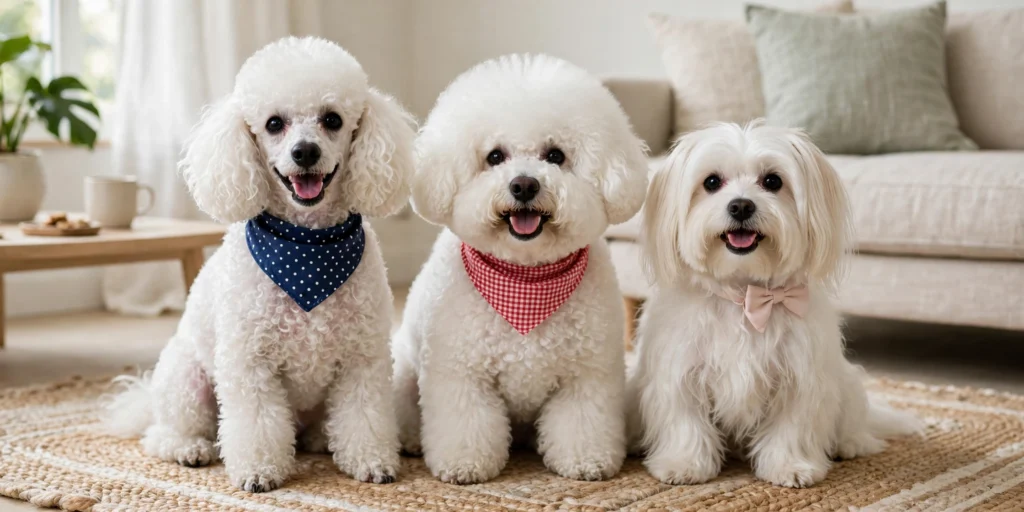
Let me be honest with you first. No dog is 100% hypoallergenic.
I know that is not what you wanted to hear. But as a trainer, I would rather tell you the truth now than watch you fall in love with a puppy and suffer later. Every dog produces some dander. The good news is that some breeds produce far less, and that can make all the difference.
This guide covers the best hypoallergenic dog breeds for allergy sufferers. You will get the honest science, the AKC recommended list, and practical tips to live comfortably with a dog even if you sneeze.
Quick Answer: Best Hypoallergenic Dog Breeds
Short on time? Here is what matters most.
The truth: No breed is fully hypoallergenic. Low-shedding breeds produce less dander, which helps many allergy sufferers.
Top picks: Poodle, Bichon Frise, Maltese, Portuguese Water Dog, Schnauzer.
Best for families: Portuguese Water Dog, Bichon Frise, Soft-Coated Wheaten Terrier.
Most important step: Spend time with the actual dog before committing. Individual dogs vary more than breeds do.
📋 Contents (click to open)
The Honest Truth About Hypoallergenic Dogs
Here is what causes your allergies. It is not the hair itself. It is pet dander, tiny flakes of skin that all dogs shed. Saliva and urine proteins can also trigger reactions.
Dogs that shed less spread less dander around your home. That is the whole idea behind hypoallergenic breeds. The American Kennel Club calls these “predictable, non-shedding coats”, and they do help many people. For a deeper look at the science, this Healthline guide to hypoallergenic dogs explains exactly how dander spreads in your home.
What Science Actually Says
Researchers studied 60 dog breeds and found no breed with zero allergens. Individual dogs vary a lot. One Poodle might bother you while another does not. The breed is a starting point, not a guarantee.
The golden rule: Always spend real time with the specific dog before bringing it home. Visit the breeder or shelter multiple times. Sit with the dog. See how you feel the next day.
Watch out for designer mixes. Labradoodles and Goldendoodles are popular, but their coats are unpredictable. A mix can inherit the shedding coat instead of the Poodle coat. With allergies on the line, purebreds with consistent coats are safer.
Best Small Hypoallergenic Dog Breeds
Small dogs mean less dander overall. Less dog, less allergen. These are my top small picks.
Bichon Frise
Cheerful, gentle, and barely sheds. The curly coat traps dander instead of spreading it. Great with kids. Needs regular grooming to prevent matting.
Maltese
Tiny, sweet, and famous for its silky non-shedding coat. A classic choice for allergy sufferers in apartments.
Miniature Schnauzer
Smart, spirited, and low-shedding with a wiry coat. One of the most popular hypoallergenic breeds for good reason.
Shih Tzu
Calm and affectionate lap dog. The long coat needs daily brushing, but shedding is minimal.
Yorkshire Terrier
Bold little dog with hair more like human hair than fur. Sheds very little.
Best Medium Hypoallergenic Dog Breeds
Poodle (Miniature and Standard)
The hypoallergenic all-star. Smart, trainable, and comes in three sizes. The curly coat holds dander in instead of dropping it around your house.
Portuguese Water Dog
The breed the Obama family chose. Athletic, loyal, and non-shedding. Needs lots of exercise.
Soft-Coated Wheaten Terrier
Happy, bouncy, and great with families. The soft wavy coat sheds very little.
Kerry Blue Terrier
Striking blue-gray coat that barely sheds. Spirited and loyal, best for experienced owners.
Best Large Hypoallergenic Dog Breeds
Fewer options here, but they exist.
Standard Poodle
All the Poodle brains in a big, athletic package. Excellent for active allergy sufferers.
Giant Schnauzer
Powerful and loyal with a low-shedding wiry coat. Needs firm training and lots of activity.
Afghan Hound
Elegant and independent with a long silky coat that sheds surprisingly little. High grooming needs.
Trainer tip: Bigger dog means more dander even in low-shedding breeds. If your allergies are severe, stick to small or medium sizes.
Living With Allergies: Practical Tips
The breed is only half the battle. These habits matter just as much.
- Groom regularly. Brush and bathe your dog on schedule. This removes loose dander before it spreads.
- Keep the bedroom dog-free. You spend 8 hours there. Make it an allergy safe zone.
- Wash hands after play. Simple and effective.
- Vacuum often. Use a vacuum with a HEPA filter to trap dander.
- Use air purifiers. A good HEPA air filter in main rooms helps a lot.
- Wash bedding weekly. Dog beds collect dander fast.
Hypoallergenic Breeds Comparison Table
| Breed | Size | Shedding | Best For |
|---|---|---|---|
| Poodle | S/M/L | Minimal | Almost everyone |
| Bichon Frise | Small | Minimal | Families, apartments |
| Maltese | Small | Minimal | Apartments, seniors |
| Portuguese Water Dog | Medium | Low | Active families |
| Schnauzer | S/M/L | Low | Watchful homes |
| Shih Tzu | Small | Minimal | Calm households |
| Soft-Coated Wheaten | Medium | Low | Playful families |
| Yorkshire Terrier | Small | Minimal | Small spaces |
Conclusion
Hypoallergenic dog breeds can absolutely work for allergy sufferers. I have seen it happen many times. But go in with honest expectations.
No breed is magic. The right low-shedding breed plus good habits plus time spent with the actual dog first, that is the formula that works.
If your allergies are severe, talk to your doctor too. Allergy shots have helped many of my clients live happily with dogs they love.
Related Guides
- Small Dog Breeds: 15 Best Picks for Apartments, Families & First-Timers (2026)
- Best Dog Breeds for Families: 12 Kid-Friendly Picks for Every Home (2026)
- French Bulldog Temperament: 12 Traits Every Owner Must Know
- Dog Skin Allergies: Signs, Causes and 9 Relief Tips (2026)
- Allergy-Friendly Dog Food Guide: 7 Vet-Backed Tips (2026)
- Dog Names: 150+ Best Picks for 2026 (Male, Female & Unique)
- What Can Dogs Eat? 50+ Safe Foods and 15 Dangerous Ones (2026)
- Best Dog Foods for Sensitive Stomach: 10 Gentle Picks That Actually Help (2026)
Frequently Asked Questions
What is the most hypoallergenic dog breed?
No breed is 100% hypoallergenic. Poodles, Bichon Frises, and Portuguese Water Dogs are among the lowest-shedding breeds recommended by the AKC for allergy sufferers.
Are Labradoodles hypoallergenic?
Not reliably. Labradoodles are Poodle mixes with unpredictable coats. Some inherit the low-shedding Poodle coat, but others shed like Labradors. Purebreds with consistent coats are safer for allergies.
Do hypoallergenic dogs need more grooming?
Yes, usually. Most low-shedding breeds have hair that keeps growing instead of falling out, so they need regular brushing and professional grooming every 6 to 8 weeks to prevent matting.
Can you build immunity to dog allergies?
Allergy shots (immunotherapy) can train your body to tolerate dog allergens better over time. Many people use them successfully alongside choosing a low-shedding breed.
What causes dog allergies, hair or dander?
Mostly dander, which are tiny skin flakes. Saliva and urine proteins also trigger reactions. Low-shedding dogs spread less dander, which is why they help allergy sufferers.
Should I let a hypoallergenic dog sleep in my bed?
If you have allergies, it is better not to. Keep the bedroom as a dog-free zone so you get 8 hours of low-allergen rest, even with a low-shedding breed.