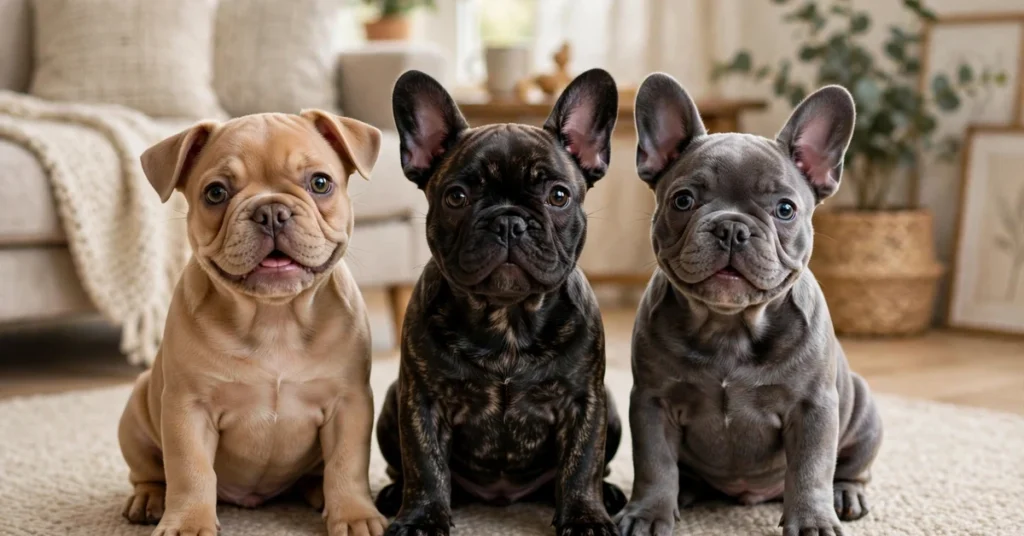
Let me be honest with you. When I first started training dogs, I thought a Frenchie was a Frenchie. Then a client showed up with a blue gray puppy that cost her more than my first car, and another brought a merle Frenchie with a list of health scares a mile long. That is when I realized french bulldog colors are not just about looks. The color you pick can tell you a lot about the breeder behind the puppy.
I am Marcus, a certified dog trainer with eight years and 300 plus family dogs under my belt. I have worked with fawn, brindle, pied, cream, blue, and merle Frenchies. Some colors are breed standard and healthy. Some are linked to real medical problems. And the price swings are wild.
In this guide I will walk you through every major french bulldog color, which ones the AKC recognizes, why the rare ones cost so much, and how to pick a puppy without funding bad breeding. No jargon. No hype. Just the straight talk I give my own clients.
Quick Answer: What Colors Do French Bulldogs Come In?
Bottom line: the AKC recognizes fawn, brindle, cream, white, and pied as standard french bulldog colors, and these are the healthiest, most affordable options. Rare “fad” colors like blue, merle, lilac, and chocolate look striking but are not AKC recognized, often cost 2,000 to 6,000 dollars more, and some carry real health risks, especially blue and merle. If you want a healthy puppy from a responsible breeder, stick with the standard colors.
📋 Contents (click to open)
AKC Standard Colors: The Classics That Made the Breed Famous
Here is a fact most sellers will not volunteer. The American Kennel Club only recognizes five french bulldog colors for the show ring: brindle, fawn, white, cream, and pied. Everything else is outside the breed standard, and that tells you something important about the breeder’s priorities.
Standard color puppies usually come from breeders who follow the breed club’s health testing rules. In my experience, these are the puppies with the fewest surprises down the road.
Brindle
Brindle is the tiger stripe pattern, a mix of dark and light hairs that gives the coat a marbled look. It is one of the most common Frenchie coat colors, and in my opinion one of the handsomest. Brindle Frenchies are usually priced at the lower end, which makes them a great value.
Fawn
Fawn ranges from light tan to deep reddish brown, and it is probably the color most people picture when they think of a Frenchie. Widely available from reputable breeders, with no known health link. If you want the classic Frenchie look, start here.
Cream
Cream is a soft, almost white coat with a warm tone. These little clouds photograph beautifully. Fair warning though: light coats show dirt fast, so expect more wipe downs after muddy walks.
White
Solid white Frenchies are striking, but an all white coat can be linked to deafness in many breeds, so white puppies deserve careful hearing checks. A good breeder will BAER test them. If they have never heard of that test, walk away.
Pied
Pied means mostly white with patches of brindle or fawn. No two pied Frenchies look alike, and my clients with them always get stopped on walks. A real conversation starter.
Rare and Fad Colors: Beautiful but Controversial
Now the part everyone asks me about. Scroll any puppy marketplace and you will see blue, merle, lilac, and chocolate Frenchies priced like luxury cars. They are gorgeous, but the story behind these colors is where things get uncomfortable.
These colors come from the dilution gene or the merle gene, neither part of the traditional French Bulldog gene pool. To get them, breeders selected hard for these genes, sometimes at the expense of health testing and temperament. Some do it responsibly. Many do not.
Blue
Blue Frenchies have a stunning slate gray coat with an almost metallic sheen, and they are the most hyped of the rare colors. The catch is that the dilution gene behind the blue coat is linked to color dilution alopecia, which causes hair thinning and flaky, itchy skin. Not every blue Frenchie gets it, but the risk is real and documented.
Merle
Merle gives a mottled, patchy coat that looks almost painted on. Here is what worries me. The merle gene in Frenchies is associated with higher rates of deafness and eye defects, especially when two merle dogs are bred together. The AKC does not recognize merle at all, and the breed club actively discourages it.
Lilac and Chocolate
Lilac is a pale silvery brown, chocolate is a rich dark brown. Both come from combinations of the dilution and chocolate genes. They are among the priciest colors on the market, and buyers should know that the same dilution related skin issues seen in blue Frenchies can show up here too.
Black (Solid)
You will see solid black Frenchies advertised as rare. True solid black is not an AKC accepted color, though black brindle (which looks nearly black) is standard. Do not pay a rare color premium for a puppy that is essentially a dark brindle. I have seen sellers do exactly this.
Which French Bulldog Colors Have Health Risks?
This is the section I wish every buyer read before putting down a deposit. Color itself does not make a dog sick, but the genes behind certain colors absolutely can. Let me break it down plainly.
Blue, lilac, and chocolate Frenchies carry the dilution gene, which is tied to color dilution alopecia. Symptoms usually show up between six months and three years: thinning hair, dry flaky skin, and recurring infections. It is manageable but not curable, which means a lifetime of vet visits and special shampoos. French Bulldogs already have famously sensitive skin, so the dilution gene stacks the deck against the dog.
Merle is the bigger red flag. The merle gene affects pigment in the skin, eyes, and inner ear. Dogs with one copy can have hearing or vision issues. Dogs with two copies, called double merles, face much higher odds of deafness and blindness. Ethical breeders never breed merle to merle. Backyard breeders chasing the merle price tag sometimes do.
Standard colors are not risk free, because all Frenchies share the breed’s breathing and spine issues. But brindle, fawn, cream, and pied do not carry extra color linked conditions. When a client asks me which color is the safest bet for a family with kids, I point them at the standards every time.
French Bulldog Colors vs Price: What You Will Actually Pay
Prices vary by region and breeder, but the pattern is consistent. Standard colors from health tested parents run lower. Rare colors run much higher, and the premium goes to the breeder, not to the dog’s health.
| Color | AKC Recognized | Typical Puppy Price | Health Notes |
|---|---|---|---|
| Brindle | Yes | 1,500 to 3,500 | No color linked issues |
| Fawn | Yes | 1,800 to 4,000 | No color linked issues |
| Cream | Yes | 2,000 to 4,000 | Shows dirt easily, otherwise healthy |
| White | Yes | 2,000 to 4,500 | Ask for puppy hearing test |
| Pied | Yes | 2,000 to 4,500 | No color linked issues |
| Blue | No | 4,000 to 8,000 | Risk of color dilution alopecia |
| Merle | No | 5,000 to 10,000 | Hearing and eye defect risk |
| Lilac | No | 6,000 to 12,000 | Dilution related skin issues possible |
| Chocolate | No | 4,500 to 9,000 | Dilution related skin issues possible |
Notice something? The healthiest colors are also the cheapest. That is not a coincidence, it is the market rewarding breeders who prioritize the breed over the trend. If a seller charges double for a blue puppy but cannot show you health test results, you are paying for marketing, not quality. The AKC French Bulldog breed page is a good starting point to learn what responsible breeding looks like.
Shedding and Skin: Do Certain Colors Mean More Mess?
Short answer: not really. All Frenchies have a short single coat and shed moderately year round. Expect a light dusting of hair on dark furniture no matter the color. A weekly brushing with a rubber curry brush keeps it under control, and my Lab Cooper sheds ten times more than any Frenchie I have trained.
Where color does matter is visibility and skin care. White and cream coats show every speck of dirt, so those dogs get wiped down more often. Dark brindle hides dirt but also hides early skin redness, so check the belly and armpits regularly. Blue and lilac dogs with dilution alopecia need gentler handling: soft brushes, mild shampoos, and prompt vet care at the first sign of flaking. If you are already dealing with itchy skin, the PetMD French Bulldog health guide has solid advice on managing their famously sensitive skin.
How to Choose a Color Without Supporting Bad Breeding
Fallen for a blue Frenchie on Instagram? I get it. Here is how to follow that dream without funding the worst corners of the dog world.
First, health testing is non negotiable. A responsible breeder tests for hips, spine, eyes, and heart regardless of color, and hands you the paperwork without being asked. Second, ask how many litters the mother has had and how old she is. Puppy mills and fad color factories overbreed females, and it shows in the puppies’ health and nerves.
Third, be suspicious of breeders who sell color first and everything else second. If the website lists twenty colors with prices but says nothing about health testing or guarantees, that is a marketing operation, not a breeding program. And never buy a merle from a breeder who breeds merle to merle. That one question filters out the worst actors fast.
My personal advice after eight years of this work? Pick the breeder first and the color second. A healthy, well socialized fawn puppy from a great breeder will bring you more joy than a sickly lilac puppy from a puppy mill. Every single time.
Conclusion
French bulldog colors range from the classic AKC standards, brindle, fawn, cream, white, and pied, to the pricey rare shades like blue, merle, lilac, and chocolate. The standards are healthier, cheaper, and come from breeders who tend to do things right. The rare colors are stunning but carry real genetic risks and eye watering price tags.
Whatever color steals your heart, let health testing and breeder ethics make the final call. Meet the parents if you can, ask the hard questions, and remember that the best Frenchie is a healthy Frenchie. Choose well and you get a clownish, loving companion for ten to twelve years.
Related Guides
- French Bulldog Temperament: 12 Traits Every Owner Must Know
- French Poodle: 9 Facts Every Future Owner Must Know (2026)
- Small Dog Breeds: 15 Best Picks for Apartments, Families & First-Timers (2026)
- Cute Dog Breeds: 15 Adorable Picks for Every Home (2026)
- Black Poodle: 7 Stunning Facts About This Smart Breed (2026)
- Papillon Dog: Complete Guide
- Dog Names: 150+ Best Picks for 2026 (Male, Female & Unique)
- Best Dog Breeds for Families: 12 Kid-Friendly Picks for Every Home (2026)
Frequently Asked Questions
What is the rarest French Bulldog color?
Lilac is generally considered the rarest, followed by merle and chocolate. These colors need specific combinations of the dilution and chocolate genes, which is why breeders charge 6,000 to 12,000 dollars for them. Rarity does not mean better, and some of these colors carry extra health risks.
What is the most popular Frenchie coat color?
Fawn and brindle are the most popular Frenchie coat colors, and both are AKC recognized standards. They are the easiest to find from reputable breeders, usually cost the least, and have no color linked health problems. Blue has become trendy on social media, but it is not a standard color.
Are blue French Bulldogs healthy?
Blue French Bulldogs can be healthy, but the dilution gene behind the blue coat is linked to color dilution alopecia, which causes hair thinning and chronic skin problems. Not every blue Frenchie develops it, but the risk is well documented. Choose a breeder who health tests, and budget for skin care.
Why are merle French Bulldogs controversial?
Merle French Bulldogs are controversial because the merle gene is not part of the traditional gene pool and is linked to deafness and eye defects, especially in double merles. The AKC does not recognize merle, and the breed club discourages it. Many merle puppies come from breeders who put color ahead of health testing.
Do French Bulldog colors affect price?
Yes, hugely. Standard colors like brindle and fawn typically cost 1,500 to 4,000 dollars, while rare colors like blue, merle, and lilac can cost 4,000 to 12,000 dollars. The premium pays for rarity and marketing, not better health, so verify health testing before paying more.
Which French Bulldog color is best for families?
For families, the AKC standard colors are the best choice: brindle, fawn, cream, white, or pied. They cost less, come from breeders who usually health test, and carry no extra color linked conditions. Temperament matters far more than coat color, so meet the puppy and the parents first.