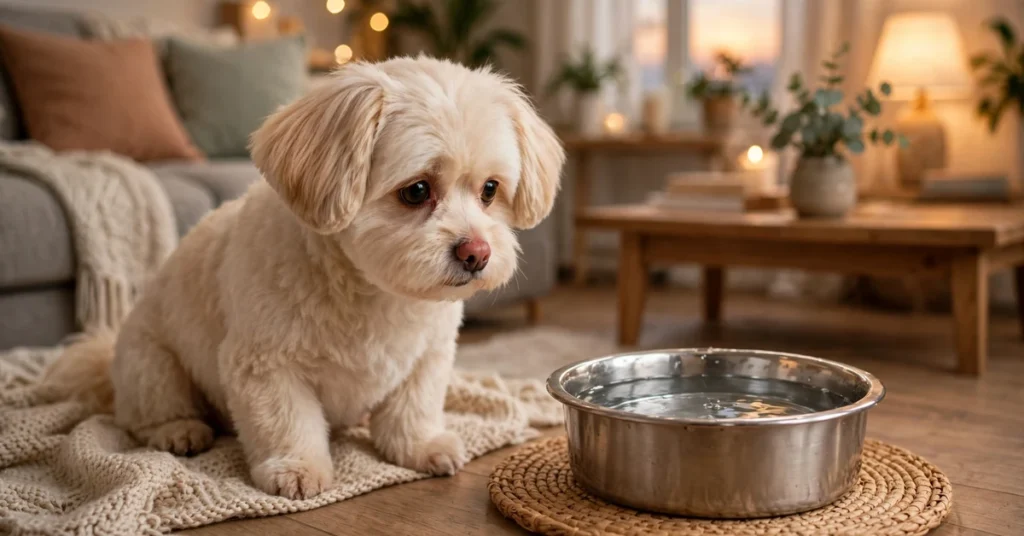
Is your dog asking to go out every hour, squatting with little result, or leaving puddles where they never had accidents before? Learning to spot dog uti symptoms early can save your pup a lot of pain. As a licensed vet technician, I have seen hundreds of UTIs walk through the clinic door, and the owners who recognized the warning signs soonest always had the easiest recoveries.
A urinary tract infection happens when bacteria sneak up the urethra and multiply in the bladder. It is one of the most common reasons dogs visit the vet, but most UTIs clear up fast once properly diagnosed and treated.
Quick Answer
The most common dog uti symptoms are frequent urination in small amounts, straining or crying while peeing, cloudy or bloody urine, strong smelling urine, accidents in the house, and licking the genital area. If you notice one or more of these signs, call your vet. A simple urine test can confirm a UTI, and a short course of antibiotics usually clears it up within one to two weeks.
Table of Contents
- Quick Answer
- What Is a UTI in Dogs?
- 10 Dog UTI Symptoms to Watch For
- 1. Frequent Urination in Small Amounts
- 2. Straining or Crying While Peeing
- 3. Blood in the Urine
- 4. Cloudy Urine
- 5. Strong or Foul Smelling Urine
- 6. Accidents in the House
- 7. Excessive Licking of the Genital Area
- 8. Drinking More Water Than Usual
- 9. Tiredness or Loss of Appetite
- 10. Fever or Back Pain
- What Causes UTIs in Dogs?
- How Vets Diagnose a UTI
- Treatment: How Vets Clear a UTI
- Safe Home Care While You Wait for the Vet
- How to Prevent UTIs in Dogs
- When a UTI Is an Emergency
- UTI vs Bladder Stones vs Other Urinary Problems
- Conclusion
- Related Guides
- Frequently Asked Questions
What Is a UTI in Dogs?
A urinary tract infection is a bacterial infection of the bladder, the urethra, or both. Bacteria such as E. coli, which normally live in the digestive tract, travel up the urethra and multiply in the bladder.
Healthy dogs have strong natural defenses: urination flushes bacteria out and the bladder lining resists infection. A UTI takes hold when something weakens those defenses, such as holding urine too long, diabetes, bladder stones, or a weakened immune system. VCA Hospitals explains how these infections develop in their vet reviewed guide.
Female dogs get UTIs more often than males because their urethra is shorter, giving bacteria a shorter path to the bladder. Senior dogs and dogs with diabetes or Cushing’s disease are also at higher risk.
10 Dog UTI Symptoms to Watch For
The classic warning signs build gradually, so many owners miss the first few days. Watch for the following signs. Even one or two of them is a good reason to call your vet.
1. Frequent Urination in Small Amounts
An infected bladder feels constantly full, so your dog begs to go out far more often but only passes a few drops each time. Going out constantly with almost nothing to show for it is a classic red flag.
2. Straining or Crying While Peeing
UTIs hurt. Your dog may squat for a long time, strain visibly, or whimper during urination. Pain while peeing means something is wrong, and it should never be ignored.
3. Blood in the Urine
Pink, red, or rust colored urine is alarming but common with UTIs. Any blood in urine deserves a vet visit within 24 hours.
4. Cloudy Urine
Healthy dog urine is clear and yellow. Infected urine can look cloudy or milky from bacteria, white blood cells, and bladder debris.
5. Strong or Foul Smelling Urine
UTI urine often smells unusually strong or fishy. Normal dog urine has a mild odor, so trust your nose if you notice a sharp new smell.
6. Accidents in the House
A house trained dog that suddenly starts having accidents is trying to tell you something. The urgency of an infected bladder can overwhelm even the best trained dog. A sudden break in house training is a reliable warning sign.
7. Excessive Licking of the Genital Area
Dogs lick where it hurts. Constant licking or chewing at the genital area usually means burning or itching.
8. Drinking More Water Than Usual
Some dogs with UTIs drink noticeably more water, the body’s attempt to flush the infection. It can also point to diabetes, so mention it to your vet.
9. Tiredness or Loss of Appetite
When the infection is advancing toward the kidneys, dogs often go quiet, eat less, and lose their spark. Lethargy plus urinary signs means call your vet promptly.
10. Fever or Back Pain
Fever, a sore lower back, or crying when picked up can signal the infection has reached the kidneys. This needs same day vet care.
What Causes UTIs in Dogs?
Most UTIs are caused by bacteria entering through the urethra. Common triggers include holding urine too long during the day, which lets bacteria sit and multiply. Poor hygiene around the genital area also raises the risk.
Certain conditions make dogs far more prone to infections. Bladder stones damage the bladder lining and trap bacteria. Diabetes creates sugary urine that bacteria love. Dogs on immune suppressing medication, unspayed females, and dogs with abnormal urinary anatomy all face higher odds.
Some breeds show up with UTIs more often, including Shih Tzus, Bichon Frises, Yorkshire Terriers, and Miniature Schnauzers. Small breeds in general seem more prone to urinary issues.
How Vets Diagnose a UTI
A urinalysis confirms what dog uti symptoms only suggest. Your vet will collect a urine sample, ideally a fresh one caught first thing in the morning or taken directly from the bladder with a needle (cystocentesis), which sounds scary but is quick and nearly painless.
The lab checks for bacteria, white blood cells, red blood cells, crystals, and pH. For a first time UTI, this test alone is often enough to start treatment.
For recurrent UTIs, vets add a urine culture to identify the exact bacteria and pick the right antibiotic. If infections keep coming back, an ultrasound or X-ray can look for bladder stones, tumors, or anatomical problems. VCA’s guide to urinary tract infections in dogs explains why proper testing matters before treatment starts.
Treatment: How Vets Clear a UTI
Antibiotics are the main treatment. Most dogs get a 7 to 14 day course, chosen based on the urine culture when available. Always finish the full course, even if your dog looks perfectly fine after two days. Stopping early lets the toughest bacteria survive and come back stronger.
Your vet may also prescribe pain relief for the first few days, and extra water helps flush the bladder. If bladder stones or another underlying problem is found, that must be treated too, or the infections will keep returning.
Safe Home Care While You Wait for the Vet
You cannot cure a bacterial UTI at home, since antibiotics need a vet’s prescription. But you can keep your dog comfortable while you wait for the appointment.
Offer plenty of fresh water and take your dog out to pee every 2 to 3 hours. Holding it makes the burning worse and lets bacteria multiply, so keep the genital area clean with a gentle wipe after potty breaks.
Cranberry supplements are popular for urinary support, but they cannot replace antibiotics. Never give your dog human UTI medication, leftover antibiotics, or essential oils. The wrong drugs can mask symptoms without curing the infection, and some human medicines are toxic to dogs.
How to Prevent UTIs in Dogs
The simplest prevention is water plus frequent potty breaks. Dogs that drink well and empty their bladders regularly flush bacteria out before it can settle in.
Good hygiene matters too. Keep long hair around the genital area trimmed, wipe overweight dogs after they pee, and clean water bowls daily.
Managing underlying conditions cuts recurrence the most. Controlled diabetes, removed bladder stones, and healthy weight all help. Ask your vet for a follow up urinalysis to confirm the infection is truly gone.
When a UTI Is an Emergency
Most UTIs are uncomfortable but not dangerous if treated within a day or two. Seek emergency care immediately if you see any of these warning signs.
Straining to pee with nothing coming out, especially in male dogs, can mean a urinary blockage, which is life threatening within 24 to 48 hours. Vomiting, severe lethargy, a swollen painful belly, fever, or complete loss of appetite suggest the infection may have reached the kidneys. Do not wait until morning with these signs.
UTI vs Bladder Stones vs Other Urinary Problems
Many urinary problems look alike, which is why testing matters.
| Condition | Key Signs | Main Cause | How It Is Diagnosed | Treatment |
|---|---|---|---|---|
| UTI | Frequent small pees, straining, cloudy or bloody urine | Bacteria entering the bladder | Urinalysis, urine culture | Antibiotics, increased water intake |
| Bladder Stones | Similar to UTI, often recurring UTIs, visible straining | Mineral crystals clumping together | X-ray or ultrasound | Prescription diet, sometimes surgery |
| Kidney Infection | Fever, back pain, vomiting, extreme tiredness | Bacteria spreading upward from the bladder | Bloodwork, urine culture, ultrasound | Longer antibiotics, hospitalization in severe cases |
| Bladder Tumor | Bloody urine that keeps returning, weight loss | Abnormal cell growth, more common in seniors | Ultrasound, biopsy | Varies, may include surgery or medication |
| Incontinence | Leaking urine while sleeping, no straining | Weak bladder sphincter, often in spayed females | Physical exam, urinalysis to rule out infection | Medication to strengthen bladder control |
Conclusion
Once you know the dog uti symptoms, you will never confuse them with bad behavior again. Frequent tiny pees, straining, cloudy or bloody urine, and sudden accidents are your dog’s way of asking for help.
Notice the signs early, get a urine test, finish the antibiotics, and confirm the infection is gone with a follow up check. Most dogs bounce back within days of starting treatment.
Related Guides
- Dog Diarrhea: Causes and Treatment
- Dog Vomiting: When to Worry and What to Do
- Dog Allergies: Signs and Relief Options
- Dog Ear Infection: Symptoms and Treatment
- Dog Dental Care: Complete Guide to Healthy Teeth
- Puppy Vaccine Schedule: What Shots and When
- Puppy Shots: What to Expect at the Vet
- Best Probiotics for Dogs: Vet Reviewed Picks
How do I know if my dog has a UTI?
Look for frequent small pees, straining or crying while peeing, cloudy or bloody urine, strong smelling urine, accidents in the house, and constant licking of the genital area. If you spot these dog uti symptoms, call your vet. Only a urinalysis can confirm the diagnosis, since bladder stones and other problems can look very similar.
Can a dog UTI go away on its own?
Very rarely. The bacteria usually survive and the infection returns worse, and untreated UTIs can spread to the kidneys and cause lasting damage. See your vet for antibiotics.
How do vets test for a UTI in dogs?
The main test is a urinalysis, which checks a urine sample for bacteria, white blood cells, blood, and crystals. For recurrent infections, a urine culture identifies the exact bacteria and the right antibiotic. Ultrasound or X-rays may follow if stones are suspected.
What can I give my dog for a UTI at home?
Nothing replaces a vet visit and prescription antibiotics. At home, offer plenty of fresh water, take your dog out every 2 to 3 hours, and keep the genital area clean. Never give human UTI drugs or leftover antibiotics, since the wrong dose can be toxic.
How long does a dog UTI last?
With antibiotics, most dogs feel better within 48 hours and the infection clears in 7 to 14 days. Always finish the full course, Your vet may recommend a follow up urinalysis 1 to 2 weeks later confirms the bacteria are gone.
Are some dog breeds more prone to UTIs?
Yes. Females get UTIs more often because of their shorter urethra. Small breeds like Shih Tzus, Bichon Frises, and Yorkies are frequently affected, as are seniors and dogs with diabetes or bladder stones.