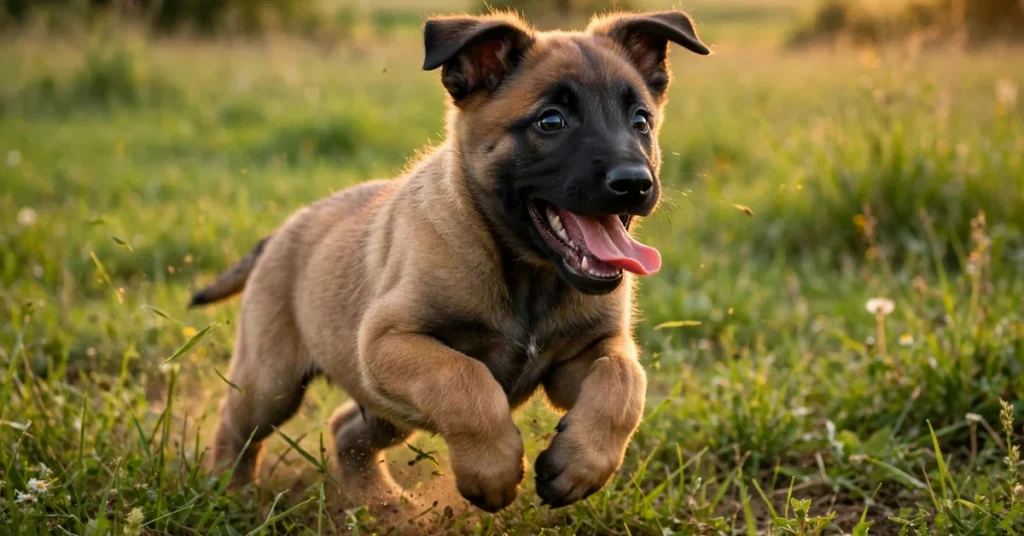
Bringing home a Belgian Malinois puppy is a little like adopting a tiny professional athlete. One minute you are admiring those alert ears and that proud little strut. The next minute, the “puppy” has shredded a shoe, learned to open the treat cabinet, and outsmarted you before breakfast.
I am Marcus Reed, a CPDT-KA certified trainer with 8 years of experience and more than 300 family dogs trained. And I will tell you straight: this breed rewards the right home in ways few dogs can. It punishes an unprepared one just as fast. This guide is the honest roadmap I wish every Malinois family read before the puppy came home.
Here is the good news. With the right structure, training plan, and daily routine, a Malinois puppy grows into one of the most loyal, capable partners you will ever know. Let us build that from day one.
Quick Answer: Is a Belgian Malinois Puppy Right for You?
A Belgian Malinois puppy is not a beginner dog. Best for: active, experienced owners who can give 1.5 to 2 hours of exercise and training daily. These puppies are brilliant, intense, and mouthy, with energy that makes a Lab puppy look lazy. Start training the day they arrive home, expect serious nipping for months, and budget $2,500 to $4,000 for the first year. In the right hands, they become extraordinary working and family partners.
📋 Contents (click to open)
- Quick Answer
- What Makes Them Different
- The First Week Home
- Training Timeline: Month by Month
- Exercise and Energy
- Feeding Schedule and Real Costs
- The Nipping Phase and Socialization
- Health Checks: What Can Go Wrong and What to Screen For
- Coat Care and Shedding: The Easy Part of Owning a Malinois
- How Big Will Your Malinois Puppy Get? Growth Milestones
- Conclusion
- Related Guides
- Frequently Asked Questions
What Makes a Belgian Malinois Puppy Different From Other Puppies
Every Malinois puppy comes wired like a working dog, not a casual pet. This breed was developed in Belgium for herding, guarding, and police work, and those instincts do not fade with generations. While most puppies nap for 18 hours a day, a Malinois puppy wakes up with a job description in its head.
The first thing you will notice is the brain speed. Your puppy will learn “sit” in two sessions. Then it will teach itself how to climb the baby gate, just because it was bored. Boredom is your real enemy here, not disobedience. Almost every behavior problem in this breed traces back to an under-stimulated mind.
The second thing is intensity. Malinois puppies play hard, bite hard, and bond hard. They are famous for choosing one person as their world. That loyalty is beautiful, but it means separation anxiety can develop fast if you do not build independence early. According to the American Kennel Club’s breed guide, the Malinois is a world-class worker who thrives on activity and close partnership with its human. Take that description seriously. It is a warning and a promise at the same time.
So here is the honest picture. If you want a calm couch companion, this is the wrong puppy. If you want a sharp, athletic teammate for training, hiking, dog sports, or active family life, and you are ready to put in the work, few puppies will reward you more.
The First Week Home: Routine Beats Everything
The first week sets the tone for your entire relationship. Your puppy just left everything it knows, so keep life calm, small, and predictable. Introduce one room at a time. Let visitors wait a few days. And start the routine on day one, because habits form fast in this breed.
Build the day around a simple loop: potty, play, train, crate nap. Puppies this young need 18 to 20 hours of sleep, and an overtired Malinois puppy turns into a tiny tornado. Enforced naps in the crate are not optional. They are survival gear for both of you.
Crate Training From Night One
Set up the crate before the puppy arrives. Make it cozy with a blanket and a safe chew, feed a few meals inside it, and keep the door open at first. Most Malinois puppies take to the crate quickly because it appeals to their denning instinct. Keep the crate in your bedroom for the first week so the puppy feels close, then move it gradually if you want it elsewhere.
At night, expect whining. This is normal and it is not cruelty to wait it out. Take the puppy out for one calm potty break if needed, no play, no fanfare, straight back to the crate. Within three to five nights, most puppies sleep through in stretches.
House Rules on Day One
Decide the rules now and enforce them kindly from the start: where the puppy sleeps, whether furniture is allowed, how you greet and leave. Malinois puppies test boundaries constantly, and they respect consistency more than almost anything. A puppy that learns the rules at 8 weeks never has to unlearn bad ones at 8 months.
Training Timeline: What to Teach and When
Start training the day your puppy arrives. Not next week, not after vaccines are finished. Early training is mostly about name recognition, focus, and manners, and it is the highest value work you will ever do. Short sessions win here: 3 to 5 minutes, 5 to 8 times a day. Always end while the puppy still wants more.
8 to 12 Weeks: Foundation
Teach name, sit, down, come when called, and loose-leash walking basics. Reward every good choice with tiny, high-value treats. Begin “leave it” and “drop it” early, because a mouthy breed needs an off switch for its mouth. Potty train on a strict schedule: out first thing in the morning, after meals, after naps, after play, and every 2 hours in between.
3 to 6 Months: Skills and Self-Control
Add stay, heel position, place (go to your bed), and polite greetings. This is the peak nipping window, so pair training with lots of redirect work. Start structured socialization now, which we cover below. This is also the age where puppy classes pay for themselves. Look for a trainer experienced with working breeds, not just generic puppy play groups.
6 to 12 Months: The Teenage Test
Adolescence hits Malinois hard. Your sweet puppy may suddenly “forget” commands, test every boundary, and develop selective hearing. This is normal brain development, not defiance. Keep training, raise the difficulty slowly, and add a real job: nose work, fetch with rules, tug with a drop cue, or an intro sport like agility foundations. A teenage Malinois with a job is a dream. One without a job is a demolition crew.
Exercise and Energy: Tiring Out a Belgian Malinois Puppy
Here is the number one question I get, and the honest answer: expect to invest 90 minutes to 2 hours of combined physical exercise and mental work daily once the puppy is past 4 months. Before that, keep forced exercise gentle. Puppies under 6 months should not do long runs or repetitive jumping, because their growth plates are still open.
The secret most owners miss? Mental exercise tires a Malinois puppy faster than physical exercise. Fifteen minutes of scent games or trick training will do what a 40 minute walk cannot. Use food puzzles, snuffle mats, frozen Kongs, and short training sessions throughout the day. A puppy that has worked its brain is a puppy that settles in the evening.
The Safe Exercise Formula
Follow the 5-minute rule for structured walks: 5 minutes per month of age, twice a day. So a 4 month old gets about 20 minutes per walk. Fill the rest of the day with free play in a safe area, training games, and chew time. As the puppy approaches a year old, you can build up to hiking, swimming, and sport foundations. Always let the puppy set the pace, and always end play before the puppy is exhausted. Overtired puppies get wild, not calm.
| Breed (Puppy) | Energy Level | Trainability | Daily Exercise Needs | Best For |
|---|---|---|---|---|
| Belgian Malinois | Very high | Exceptional, needs a skilled handler | 90 to 120 min | Experienced, active owners; sport and work homes |
| German Shepherd | High | Excellent, more forgiving of beginners | 60 to 90 min | Active families; first-time working breed owners |
| Dutch Shepherd | Very high | Exceptional, similar intensity to the Malinois | 90 to 120 min | Sport homes; experienced handlers |
| Border Collie | Very high | Exceptional, but softer and more sensitive | 90 to 120 min | Owners who can offer herding or agility outlets |
| Australian Cattle Dog | High | Smart but stubborn; needs firm consistency | 60 to 90 min | Rural or very active homes with structure |
| Boxer | High | Good, but easily distracted and goofy | 60 to 90 min | Playful families wanting a fun, bouncy companion |
Notice where the Malinois sits in that lineup. It matches the highest-drive breeds on energy but asks more of the handler on training skill. That gap is exactly why this breed lands in shelters when the wrong family picks it, and why the right family calls it the best dog they ever owned.
Feeding Schedule and the Real Cost of Raising One
Feeding a Belgian Malinois puppy is straightforward if you follow the growth curve. From 8 to 12 weeks, feed 3 to 4 small meals a day. From 3 to 6 months, drop to 3 meals. By 6 months, 2 meals a day works fine. Choose a high-quality large-breed puppy formula, which controls calcium and calorie levels for steady, safe growth.
Skip free feeding. Measured meals make potty training easier, keep growth steady, and let you use part of the daily ration as training treats. As a rule of thumb, about 10 percent of daily calories can come from treats, and with this breed, a big share of meals can simply be earned through training. It is the easiest win in dog ownership.
Now the money question. Be honest with yourself here, because underestimating costs is how dogs end up rehomed:
- Purchase price: $1,000 to $2,500 from a reputable breeder; working-line puppies often cost more
- First-year vet care: $500 to $800 (vaccines, spay/neuter, checkups, flea and tick prevention)
- Food: $600 to $900 per year for quality large-breed puppy food
- Training: $300 to $1,000+ (puppy classes are nearly essential for this breed)
- Gear and supplies: $300 to $500 (crate, leash, toys, chews, puzzle feeders)
That puts the realistic first-year total at $2,500 to $4,000, before any surprises. Pet insurance is worth serious thought with this breed. They are athletic, accident prone, and emergency vet bills do not care about your budget.
The Nipping Phase and Smart Socialization
Let us talk about the land shark stage, because it shocks every new Malinois family. These puppies bite. A lot. They grab sleeves, ankles, hands, and hair. This is normal herding and working breed behavior, not aggression, but “normal” does not mean you ignore it. It peaks between 10 and 16 weeks and usually fades by 6 to 7 months, if you handle it right.
When the teeth land on skin, let out a calm “ouch,” go still for two seconds, then redirect to a tug toy or chew. What you never want to do is yank your hand away fast (that triggers chase instinct) or punish the puppy harshly (that builds conflict in a breed that remembers everything). Reward the moments the puppy chooses the toy. That is the behavior you are growing.
Socialization: Quality Over Quantity
Socialization does not mean letting every stranger pet your puppy. It means calm, positive exposure to the sights, sounds, people, and dogs of normal life. Aim for 3 to 5 new positive experiences per week during the 8 to 16 week window: different surfaces, traffic sounds, umbrellas, kids at a distance, calm adult dogs, car rides.
Watch your puppy’s body language. Loose body and curiosity mean keep going. Tucked tail, freezing, or hiding mean you pushed too far. Back up, add distance, and let the puppy watch from safety. The PetMD Malinois breed guide is a good starting point for understanding how working breeds like this one respond to early experiences, and a good puppy class gives you a controlled environment to practice.
One last warning on socialization: protect your puppy from rude, out of control dogs. One bad experience with an aggressive dog during the fear periods (around 8 to 10 weeks and again near 6 months) can leave a lasting mark on a breed that is already naturally watchful.
Health Checks: What Can Go Wrong and What to Screen For
The Malinois is a tough, athletic breed, and most stay sound for years. But “tough” does not mean “skip the vet.” A few inherited problems show up often enough that every buyer should know their names.
The big two are hip dysplasia and elbow dysplasia, loose joints that wear out early and hurt most in a dog that sprints, jumps, and lands hard for a living. Eye problems come next: cataracts and progressive retinal atrophy (PRA), which can slowly steal vision. Epilepsy appears in some lines too.
Here is the good news. Good breeders screen for most of this before breeding. The national breed club recommends hip, elbow, and eye evaluations for every breeding dog, and a serious breeder will show you the paperwork without being asked twice.
Your part is simpler. Keep your puppy lean, because extra weight punishes young joints. And book regular vet checks, even when your dog looks bulletproof.
Coat Care and Shedding: The Easy Part of Owning a Malinois
After all that talk about training and energy, here is a relief: the coat is low maintenance. A Malinois wears a short, straight double coat that shrugs off weather and dries fast after a muddy run.
Most of the year, one weekly pass with a medium bristle brush or a rubber grooming glove is enough. It takes five minutes, and most Malinois lean into it like a massage.
Twice a year, the undercoat lets go all at once. This blowout lasts about two to three weeks, and daily brushing during it will save your floors and your vacuum. Baths? Only when the dog is genuinely filthy. Overbathing strips the coat’s natural weatherproofing.
Add two small habits: trim nails every two to three weeks, and brush teeth a few times a week. That is the whole grooming job.
How Big Will Your Malinois Puppy Get? Growth Milestones
That tiny pup with the oversized ears grows fast. By their first birthday, most Malinois are close to full height, then spend the second year filling out with muscle.
Adults stand 24 to 26 inches for males and 22 to 24 inches for females. Males usually weigh 60 to 80 pounds, females 40 to 60. Working lines often land on the leaner end of those ranges.
| Age | Typical Weight | What Is Happening |
|---|---|---|
| 8 weeks | 10 to 16 lbs | Coming home, all ears and paws |
| 3 months | 20 to 30 lbs | First growth spurt, legs everywhere |
| 4 months | 28 to 40 lbs | Teething peaks, appetite surges |
| 6 months | 40 to 55 lbs | Teenage energy arrives |
| 9 months | 48 to 68 lbs | Near full height, still lean |
| Adult (18 to 24 months) | 40 to 60 lbs (female), 60 to 80 lbs (male) | Fully filled out with muscle |
Treat these numbers as a rough guide, not a test. Body condition matters more than the scale: you should feel ribs easily under a thin layer of muscle, and see a waist from above. A vet check at each vaccine visit keeps growth on track.
Conclusion
Raising a Belgian Malinois puppy is not easy, and anyone who tells you otherwise has never lived with one. The nipping, the energy, the teenage testing phase, it all demands real commitment. But if you are the right kind of owner, active, consistent, and genuinely excited to train, the payoff is enormous.
The right home for a Belgian Malinois puppy gets a dog that learns in minutes, bonds like nothing else, and throws itself into every adventure with total heart. Follow the plan above, stay patient through the shark phase, and you will not just survive the puppy year. You will build a partnership most dog owners only dream about.
Related Guides
- German Shepherd Puppy: Complete First Year Guide (2026)
- Puppy Training: 7-Day Starter Plan That Works (2026)
- Best Puppy Food: 7 Smart Label Checks Before You Buy (2026)
- Puppy Vaccine Schedule: What Happens at Every Visit (2026)
- Border Collie Puppy: The Complete Genius Puppy Manual
- Australian Shepherd Puppy Guide: Raise a Calm, Happy Aussie
- Cocker Spaniel Puppy: First Month Care & Training Guide
- How Much to Feed a Puppy: Simple Chart by Age and Size
Frequently Asked Questions
Are Belgian Malinois puppies good for first-time owners?
Honestly, no. Malinois puppies are one of the hardest breeds for beginners because of their extreme energy, intensity, and training needs. A first-time owner would be much happier with a more forgiving breed like a Labrador or Golden Retriever. If your heart is set on a Malinois, hire a professional trainer from day one and be ready for a serious daily commitment.
How much exercise does a Malinois puppy need?
Young puppies need short, gentle sessions: about 5 minutes of structured walking per month of age, twice daily, plus free play and training games. From around 4 to 6 months, plan on 60 to 90 minutes of combined physical and mental activity per day, building toward 90 minutes to 2 hours by adolescence. Mental work like scent games and trick training tires them faster than walking alone.
When should I start training my Malinois puppy?
The day the puppy comes home, usually at 8 weeks old. Start with name recognition, sit, come, and crate manners in short 3 to 5 minute sessions. Enroll in a quality puppy class around 10 to 12 weeks, once the first round of vaccines is done. Early training is the single highest value investment you can make with this breed.
Do Belgian Malinois puppies bite a lot?
Yes, they are famously mouthy. Nipping and grabbing is normal herding and working breed behavior that peaks between 10 and 16 weeks and usually fades by 6 to 7 months. Redirect to toys, stay calm when teeth touch skin, reward gentle mouth behavior, and never punish harshly. If biting is paired with stiff body language or growling over resources, consult a professional trainer.
How much does a Malinois puppy cost?
Expect $1,000 to $2,500 from a reputable breeder, with working-line puppies often priced higher. The realistic first-year total, including vet care, food, training classes, and supplies, runs $2,500 to $4,000. Rescue Malinois puppies and young adults are also available for much less through breed-specific rescues.
Are Malinois puppies easy to potty train?
Yes, they are actually one of the easier breeds to house train because they are smart and eager to follow a routine. Most pick it up within 2 to 4 weeks on a strict schedule. Take the puppy out first thing in the morning, after meals, after naps, after play, and every 2 hours in between. Reward outdoor success immediately and supervise indoors until the puppy is reliable.