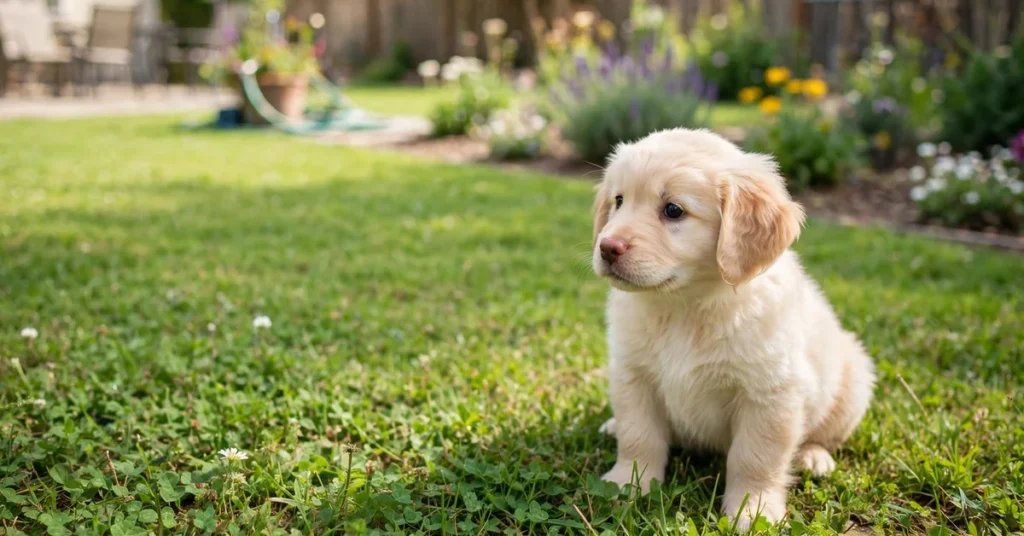
Deciding to bring home a baby golden retriever is one of the happiest choices a dog lover can make. These fluffy pups grow into some of the friendliest dogs in the world.
But the first year shapes their health, manners, and personality for life. This guide covers the early weeks, feeding, training, socialization, grooming, health, and costs, so you know exactly what to expect.
Quick Answer
In short, a baby golden retriever is a golden retriever puppy under six months old. They need three small meals a day, gentle training from day one, and lots of friendly faces before 16 weeks of age. Plan for vet visits, vaccines, and chew toys. Get the basics right now, and you will raise a calm, happy adult dog.
Table of Contents
- Quick Answer
- What Is a Golden Retriever Puppy?
- Week by Week: The First Two Months
- Your New Puppy Checklist
- Feeding Your Puppy Right
- Training Basics That Work
- Socialization: The Golden Window
- Grooming and Coat Care
- Health Notes to Know
- How Much Does a Golden Retriever Puppy Cost?
- Milestones by Age
- Conclusion
- Related Guides
- Frequently Asked Questions
What Is a Golden Retriever Puppy?
A golden retriever puppy is a young dog of this beloved breed, usually under six months old. They are famous for soft gold coats, sweet faces, and tails that never stop wagging.
Goldens were first bred in Scotland to fetch game birds for hunters. They love carrying things in their mouths, they adore water, and they live to please their people. These traits make them wonderful family dogs and top-tier service and therapy dogs.
At birth, pups are tiny and helpless, with closed eyes and ears. By eight weeks, they are sturdy little explorers ready for new homes. That eight-week mark is when most families meet their new best friend.
Expect a golden pup to be mouthy, bouncy, and endlessly curious. They learn fast, forgive fast, and love hard. If you want a joyful partner for walks, games, and cuddles, you just found them.
Week by Week: The First Two Months
The first eight weeks fly by. Here is what happens as your pup grows from a squeaking newborn into a confident little dog.
Weeks 1 to 4: Life With Mom
Newborn pups sleep almost all day and nurse from their mother. Their eyes open around day 10 to 14. By week three, they wobble around on shaky legs and start hearing sounds.
Good breeders handle the pups gently every day. This early human touch builds trust and steady nerves for life. Around week four, pups taste soft food and their tiny teeth appear.
Weeks 5 to 8: Getting Ready for You
Now the fun starts. The pups play, wrestle, and chase each other. Through this roughhousing, they learn bite control from their littermates. A yelp from a sibling teaches them that hard bites end the game.
They now eat puppy food on their own. Between weeks six and eight, each pup’s personality shines through. There is the bold explorer, the shy thinker, and the cuddle bug. A good breeder watches all of this and helps you pick the pup that fits your home. Around week eight, pups get a first vet check and first vaccines, then head to their new families.
Your New Puppy Checklist
Before your pup arrives, set up your home like a safe little nest. Having everything ready makes the first day calm instead of chaotic.
- Crate: a cozy den for naps. Choose one with a divider panel so it grows with your pup.
- Puppy food: a high-quality large-breed puppy formula. Ask your breeder what the pup eats now and buy the same bag.
- Food and water bowls: stainless steel is chew-proof and easy to clean.
- Collar, leash, and ID tag: let them wear the collar around the house before walks begin.
- Chew toys: teething hurts, and safe chew toys save your shoes and furniture.
- Baby gates: block stairs and rooms that are not puppy-proof yet.
- Enzyme cleaner: accidents will happen, and this removes the smell so your pup does not return to the same spot.
- Soft blanket: ask the breeder for one that smells like mom and littermates for the first nights.
Puppy-proof the way you would for a crawling baby. Move cords, shoes, and cleaning products out of reach. Goldens explore with their mouths, so anything on the floor is fair game. Check the yard fence for gaps too.
Feeding Your Puppy Right
Feed your baby golden retriever three small meals a day until about six months old, then switch to two meals a day. Always choose a food made for large-breed puppies. It has the right balance of calcium and calories for slow, steady growth, which protects developing joints.
Follow the portion guide on the bag, but also watch your pup’s body. You should feel the ribs easily without seeing them. A roly-poly puppy looks cute, but extra weight strains growing joints.
Keep fresh water available all day. Skip table scraps, and never feed chocolate, grapes, raisins, onions, garlic, or anything with xylitol, which hides in some peanut butters. When in doubt about a food, ask your vet first.
Treats are wonderful for training, but they add up fast. Keep treats under 10 percent of daily calories and use tiny pea-sized pieces. You can even use part of their kibble as training treats.
Training Basics That Work
Begin training your baby golden retriever the very first day they come home. Keep sessions to three to five minutes, a few times a day, and always end on a success. Goldens learn fastest with praise and treats, not scolding.
Start with these four basics:
- Sit: hold a treat at the nose and move it back over the head. The bottom drops on its own. Reward as it happens.
- Come: crouch down, open your arms, and sound thrilled. Reward every recall, even the slow ones.
- Stay: ask for one second first, reward, then slowly build time.
- Leave it: trade the forbidden object for a tasty treat. Never chase. Chasing turns it into a game.
For potty training, take your pup out first thing in the morning, after every meal, after every nap, after play, and last thing at night. Reward within three seconds of them finishing outside. Most golden pups are reliable within four to eight weeks when the whole family follows the same routine.
Crate training gives your pup a safe den of their own. Make the crate a happy place with meals and treats inside. Never use it as punishment. Feed every meal in the crate for the first month and your pup will run to it on their own.
Socialization: The Golden Window
The weeks between 3 and 16 are the golden window for socialization. What your pup experiences now shapes how they feel about the world for the rest of their life. This is the single most important job of early puppyhood.
Expose your puppy to new sights, sounds, and friendly people every single day. Kind strangers, gentle kids, umbrellas, vacuum cleaners, traffic sounds, car rides, and other healthy, vaccinated dogs. Keep each new meeting short, sweet, and full of treats.
Until vaccines are complete, carry your pup in busy public places instead of letting them walk. Puppy kindergarten classes are perfect once your vet gives the green light. A well-socialized golden grows into the confident, gentle dog the breed is famous for.
Watch your pup’s body language. A loose, wiggly body means they are happy. A tucked tail means they need space. Never force a scared puppy to face something frightening. Let them watch from a distance and try again tomorrow.
Grooming and Coat Care
That gorgeous gold coat needs upkeep. Brush your pup two to three times a week with a slicker brush to prevent tangles and cut shedding. Start young so grooming feels like bonding time.
Bathe only when dirty, about once a month, with a gentle puppy shampoo. Too many baths dry out the skin. Trim nails every two to three weeks.
Check those floppy ears weekly. Damp ears can grow infections, so dry them well after swims and baths. Healthy ears smell like nothing. A sour smell means a vet visit.
Brush teeth a few times a week with dog toothpaste. Start early and your adult dog will accept it without a fuss.
Health Notes to Know
Golden retrievers are generally healthy, but the breed has known weak spots. Hip and elbow dysplasia, certain heart conditions, and some cancers appear more often in goldens. This is why choosing a breeder who health-tests the parents matters so much. Ask to see the results.
Your vet will set a vaccine schedule starting around six to eight weeks. Core shots protect against parvovirus, distemper, adenovirus, and rabies. Never skip the final round of puppy shots, even if your pup looks perfectly healthy. Flea, tick, and heartworm prevention starts on your vet’s timeline.
For trustworthy breed health details, see the PetMD golden retriever breed profile. It covers common conditions and what to watch for as your dog ages.
Learn the warning signs: limping beyond a day, constant scratching, vomiting or diarrhea past 24 hours, refusing food, or sudden tiredness. Large-breed pups should gain weight steadily, so keep up regular vet weigh-ins. Catching problems early means simpler treatment.
How Much Does a Golden Retriever Puppy Cost?
Expect to pay between $1,000 and $3,000 for a baby golden retriever from a responsible breeder who health-tests the parents. Puppies from champion show lines can cost more. A suspiciously cheap puppy usually means no health testing, and that can cost you far more in vet bills later.
Adoption is a wonderful path too. Golden rescues often have young dogs for $300 to $600, and the fee usually covers spay or neuter plus vaccines.
Budget for the first year beyond the purchase price: vet visits and vaccines ($300 to $500), quality food ($400 to $600), crate and supplies ($200 to $300), and training classes ($150 to $300). Buy pet insurance while your pup is young and healthy, since premiums climb with age. If you are still choosing a breeder, the AKC golden retriever breed page explains what responsible breeding looks like.
Milestones by Age
Every pup grows at their own pace, but most golden puppies hit these marks around the same time.
| Age | Weight | Meals per Day | Training Focus | What to Expect |
|---|---|---|---|---|
| 8 weeks | 10 to 15 lbs | 3 to 4 | Name, crate comfort, potty routine | Coming-home week. Short naps, lots of cuddles, first vet visit. |
| 12 weeks | 20 to 30 lbs | 3 | Sit, come, leash manners | Teething begins. Chew toys everywhere. Final vaccines coming up. |
| 6 months | 40 to 55 lbs | 2 | Stay, leave it, polite greetings | The teenage phase. Testing limits, but training starts to click. |
Conclusion
Raising a baby golden retriever takes patience and love, but the payoff is enormous. Good food, kind training, early socialization, and regular vet care will give you a loyal best friend for 10 to 12 years.
The puppy days feel long at 3 a.m., but they pass in a blink. Soak them in and take too many photos. That clumsy little fluffball will be a big, goofy, wonderful dog before you know it.
Related Guides
- Puppy Pads: The Right Way to Potty Train (2026)
- Puppy Training: 7-Day Starter Plan That Works (2026)
- Best Puppy Food: 7 Smart Label Checks Before You Buy (2026)
- Puppy Vaccine Schedule: What Happens at Every Visit (2026)
- How Much to Feed a Puppy: Simple Chart by Age and Size
- Beagle Puppy Training & Care: Raise a Happy Scent Hound
- Cocker Spaniel Puppy: First Month Care & Training Guide
- German Shepherd Puppy: Complete First Year Guide (2026)
- English Golden Retriever: 7 Amazing Facts You Must Know (2026)
Frequently Asked Questions
When can puppies leave their mother?
Most experts and responsible breeders agree on eight weeks. Before that, pups learn bite control and dog manners from their mother and littermates. Leaving earlier can lead to behavior problems later.
How often should I feed my baby golden retriever?
Feed three to four small meals a day until 12 weeks old, then three meals a day until six months. After six months, two meals a day works well. Use a large-breed puppy food and adjust portions so your pup stays lean.
Are golden retrievers good with kids?
Yes, goldens are one of the best breeds for families with children. They are patient, gentle, and playful. Always supervise young kids around any puppy and teach children to be gentle.
How much exercise does a golden retriever puppy need?
A good rule is five minutes of structured exercise per month of age, twice a day. A four-month-old pup gets about 20 minutes per session. Avoid long runs and hard jumping until the joints finish growing, around 18 months.
Do golden retriever puppies shed a lot?
Yes, goldens shed all year, with heavier shedding in spring and fall. Brushing two to three times a week keeps loose hair under control and makes a big difference around the house.
How long do golden retrievers live?
The average lifespan is 10 to 12 years. Good food, a healthy weight, regular exercise, and routine vet care help your dog live a long and happy life.