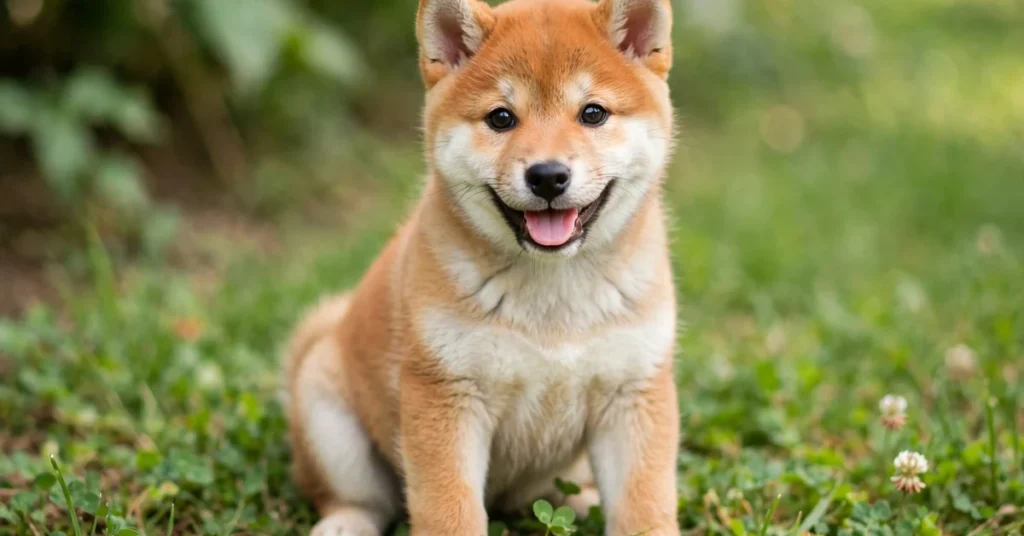
Thinking about bringing home a shiba inu puppy? I get it. That fox face, those upright ears, that curled tail. Shibas might be the cutest puppies on the planet.
I am Marcus Reed, a CPDT-KA certified trainer with 8 years of experience and more than 300 dogs trained. I love this breed, but I tell every client the same thing first. A Shiba is not a golden retriever in a smaller package. It is a cat wearing a dog costume, and it will test you daily.
This guide is the honest version. The stubborn streak. The dramatic scream. The shedding that will live on your black clothes forever. Plus what actually works for training, socialization, and care. If you read it all and still want one, you might be exactly the right owner.
Quick Answer: Should You Get a Shiba Inu Puppy?
A shiba inu puppy is a bold, independent Japanese spitz that looks like a fox and acts like a cat. Shibas are smart but famously stubborn, shed heavily, and scream dramatically when upset. They suit patient, experienced owners who want a confident, clean, low neediness companion, not a cuddly people pleaser.
First time owner? I usually point you toward an easier breed. But if your heart is set on a Shiba, keep reading. I will show you what to expect and how to raise one right.
📋 Contents (click to open)
- Quick Answer
- What a Shiba Really Is
- Temperament: A Cat in a Dog Suit
- Training: Expect Stubborn
- The Shiba Scream and Other Vocal Surprises
- Socialization and Exercise: Your Non-Negotiables
- Grooming, Health, and Feeding
- Escape-Proofing, Costs, and the Honest Verdict
- How the Shiba Compares to Similar Breeds
- Conclusion
- Related Guides
- Frequently Asked Questions
What a Shiba Really Is
The Shiba Inu is an ancient Japanese spitz once used to flush birds and small game from dense mountain brushwood. Shiba means brushwood, and inu means dog.
Everything about a Shiba screams fox. Pointed muzzle. Upright triangle ears. Dark eyes with that famous side eye. A thick tail curled proudly over the back. Adults stand 13 to 17 inches and weigh 17 to 23 pounds. Small but solid, all muscle under a plush coat.
Colors include red, the classic look, plus black and tan, sesame, and cream. The American Kennel Club breed page calls them spirited and good natured, with heavy emphasis on spirited.
New owners love one trait most. Shibas are incredibly clean. Many puppies nearly housebreak themselves. But do not mistake cleanliness for obedience. A Shiba can be perfectly clean and still ignore your recall completely.
Temperament: A Cat in a Dog Suit
Want a dog that lives to please you? Stop here. Shibas bond deeply but show it on their own terms, staying politely aloof with strangers. Expect loyalty without clinginess. That is love, Shiba style.
They are bold and confident, sometimes to a fault. A Shiba puppy tests every boundary, not from spite but from curiosity about whether you meant it. Consistency matters more with this breed than any other I train. Early socialization decides whether that aloofness stays polite or turns suspicious.
Two warnings from my training files. Many Shibas are dog selective, and same sex aggression is common. Dog parks are often a bad idea for adults. Also, Shibas can be anxious about handling. Vet visits and nail trims need slow, positive conditioning from puppyhood. Families with very young kids should think twice.
Training a Shiba Inu Puppy: Expect Stubborn
Shibas are brilliant and they know it. A Shiba puppy can learn sit in three tries, then decide sit is boring. You are negotiating with a tiny, furry lawyer.
Recall is the big one. Shibas notoriously ignore recall once they catch a scent. My rule for every Shiba owner. Never off leash in an unfenced area. Use a long line, and make coming to you the best deal in the world with jackpot treats.
Use positive reinforcement only. Harsh corrections backfire. A Shiba that feels bullied shuts down or snaps. Keep sessions to two to five minutes. Train before meals when your puppy is hungry. Bring high value treats. Kibble will not cut it.
Structure beats force. Try a simple nothing in life is free routine. Puppy sits before meals, before the leash goes on, before play starts. Calm, predictable rules give an independent dog a reason to cooperate.
Potty training is usually easy since the breed is naturally clean, but follow a strict schedule anyway. Biting is harder. Shiba puppies are land sharks. Redirect to toys and reward calm mouths. If you need instant obedience, pick a different breed.
The Shiba Scream and Other Vocal Surprises
You need to hear about this before it happens at midnight. The shiba scream is a high pitched, almost human wail Shibas produce when upset or handled against their will. Nail trims are the classic trigger. You will think your dog is hurt. Usually your dog is just offended.
Shibas are not constant barkers, but they are vocal when they have opinions. Expect dramatic sighs and protest grumbles.
That scream carries through walls. If you share walls with neighbors, a Shiba can become a noise complaint with fur.
Never punish the scream. Yelling back just creates a duet. Prevent it with cooperative care instead. Handle paws, ears, and mouth daily with treats from week one. A Shiba that trusts handling rarely screams about it.
Socialization and Exercise: Your Non-Negotiables
Socialization starts the day your puppy comes home, and the critical window closes around 14 weeks. That is a short runway to shape how your Shiba feels about the world. Miss it and you often get the suspicious, reactive adult that gives the breed a bad name.
Good socialization means calm, positive exposure. Different people, hats, umbrellas, car rides, vet visits just for treats, gentle kids, calm dogs. Keep sessions short.
Puppy classes are worth it with one condition. Find a reward based trainer who understands independent breeds. Ask how they handle a puppy that refuses a cue. If the answer involves force, walk out.
For exercise, think steady and interesting, not exhausting. Adults do well with 45 to 60 minutes daily. For puppies, use the 5 minute rule. Five minutes of structured exercise per month of age, twice a day. Scent walks tire a Shiba brain faster than a jog tires its legs.
A bored Shiba digs, chews, and plots escapes. Mental work is not optional for this breed.
Grooming, Health, and Feeding
Your shiba inu puppy will blow its coat twice a year. The thick double coat comes out in clumps, and for weeks your home looks like it snowed indoors. The rest of the year brings steady moderate shedding.
Brush two to three times a week, daily during coat blow, with an undercoat rake. Never shave a Shiba. The double coat insulates against heat and cold. Bathe only as needed, trim nails with cooperative care, and check ears weekly.
Shibas are sturdy dogs with a lifespan of 13 to 16 years. The issues I see most are environmental allergies, patellar luxation where the kneecap slips, and eye problems including glaucoma. PetMD’s Shiba Inu health and care guide covers each in detail.
Stay on schedule with vet visits from day one, covering the puppy vaccination series plus knee, eye, and dental checks.
Feed puppies three to four small meals a day until about 6 months, then two meals as adults. Choose an AAFCO balanced puppy food and measure meals, since Shibas can get chunky. Keep training treats under 10 percent of daily calories.
Escape-Proofing, Costs, and the Honest Verdict
Shibas are escape artists. They dig under fences, climb chain link, slip collars, and bolt through open doors. Secure a fence at least 6 feet tall before your puppy arrives, check gate gaps, and never tie out unsupervised.
On walks, use a harness plus a collar as backup, ideally a martingale since Shibas back out of flat collars. A microchip and GPS tracker are non negotiable.
Expect 1,200 to 3,500 dollars for a puppy from a reputable breeder. Rescue costs far less. Budget 1,500 to 3,000 dollars for the first year, then 800 to 1,500 dollars annually. Pet insurance is smart for this breed.
Skip breeders who always have puppies available or will not show you the parents.
My verdict after 8 years. A Shiba fits you if you are patient, consistent, and want an independent companion rather than an obedient shadow. A Shiba is wrong if you want instant obedience, have very young children, or share thin apartment walls. No shame in choosing an easier breed. The shame is getting a Shiba and resenting it for being a Shiba.
How the Shiba Compares to Similar Breeds
Shibas get compared to a few lookalikes. Here is how they stack up on the traits that shape daily life.
| Breed | Adult Size | Independence | Trainability | Shedding |
|---|---|---|---|---|
| Shiba Inu | 17 to 23 lbs | Very high | Low, smart but stubborn | Very heavy |
| Akita | 70 to 130 lbs | Very high | Low to moderate | Very heavy |
| Basenji | 22 to 24 lbs | High | Low, independent thinker | Low |
| Siberian Husky | 35 to 60 lbs | High | Moderate, needs motivation | Very heavy |
None of these are easy dogs. The Basenji sheds less but is equally independent, the Husky needs far more exercise, and the Akita is a Shiba scaled up with stronger guarding instincts.
Conclusion
A Shiba is not the easy choice, and that is why the right owners adore them. You get a clean, loyal little fox that keeps you laughing for 13 to 16 years, plus shedding, stubbornness, and dramatic vocals.
Socialize early, train with patience and great treats, and secure your yard like a fortress. Never punish the scream. If that sounds like you, a shiba inu puppy might be your perfect match.
Related Guides
- Japanese Dog Breeds: 8 Stunning Breeds and Honest Guide (2026)
- German Shepherd Puppy: Complete First Year Guide (2026)
- Beagle Puppy Training & Care: Raise a Happy Scent Hound
- Cocker Spaniel Puppy: First Month Care & Training Guide
- Puppy Training: 7-Day Starter Plan That Works (2026)
- Best Puppy Food: 7 Smart Label Checks Before You Buy (2026)
- Small Dog Breeds: 15 Best Picks for Apartments, Families & First-Timers (2026)
- Dog Names: 150+ Best Picks for 2026 (Male, Female & Unique)
Frequently Asked Questions
Is a shiba inu puppy good for first-time owners?
Usually not. This breed is smart but stubborn, hard to recall, and dramatic about handling. If your heart is set on a Shiba, commit to puppy classes with a reward based trainer.
How much does a Shiba puppy cost?
Expect 1,200 to 3,500 dollars from a reputable breeder. Plan another 1,500 to 3,000 dollars for the first year. Rescue Shibas cost far less and make wonderful companions.
What is the shiba scream?
The shiba scream is a loud, high pitched wail Shibas make when upset or handled against their will. Nail trims and baths are classic triggers. Never punish it. Condition your puppy to handling slowly with treats instead.
Do Shiba Inu puppies shed a lot?
Yes. Shibas have a thick double coat that sheds year round and blows out heavily twice a year. Brush two to three times a week, daily during heavy shedding, and never shave the coat.
Are Shiba Inus good with kids?
They can be fine with older, respectful kids, but they are often a poor match for very young children. They dislike rough handling. Always supervise and teach kids to respect the dog’s space.
Can you train a Shiba Inu to come when called?
You can improve recall a lot, but most trainers never fully trust a Shiba off leash in unfenced areas. Train with jackpot rewards and a long line, and accept that management is part of owning this breed.