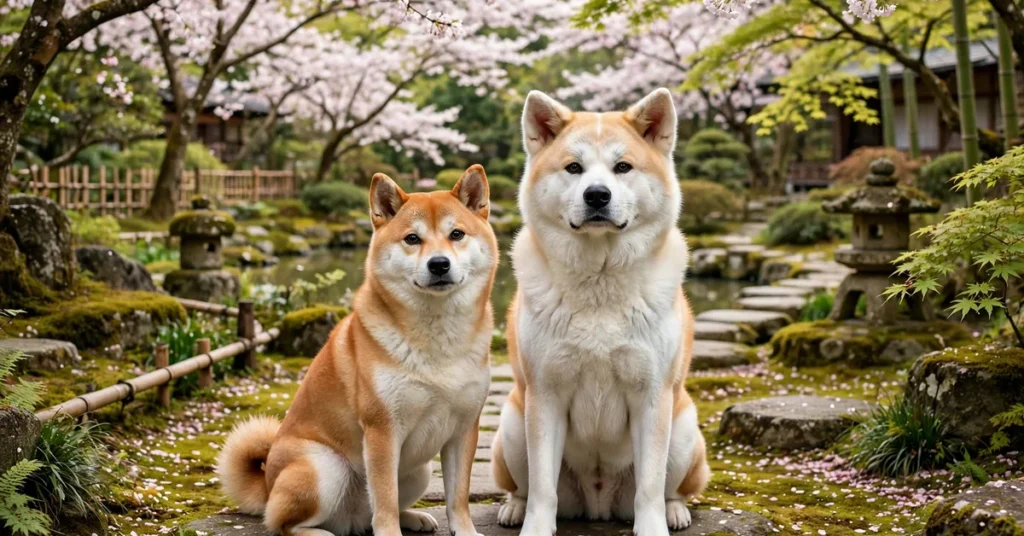
Curled tail. Fox face. Ears standing like triangles. An attitude that says, “I love you, but on my terms.”
You are looking at a Japanese dog. And Japanese dog breeds are some of the most striking, loyal, and honestly, most misunderstood dogs you can bring home.
I am Marcus Reed, a certified trainer with 8 years of hands-on work. I have trained Shiba Inus that outsmarted their owners daily and Akitas that would take a bullet for their families. These are not beginner-easy dogs. But for the right owner, they are unforgettable.
This guide covers the six native Japanese breeds, what they are really like to live with, and an honest answer about whether a Japanese breed fits your life.
Quick Answer: Japanese Dog Breeds
Short on time? Here is the fast version.
The six native breeds: Shiba Inu, Akita, Hokkaido, Kai Ken, Kishu Ken, and Shikoku. All are ancient hunting or guardian dogs from Japan.
Most popular: Shiba Inu (small, fox-like, cat-like independence) and Akita (large, loyal, powerful guardian).
Temperament warning: Independent, intelligent, aloof with strangers, strong willed. Not Labradors. Training needs patience and consistency.
Best for: Experienced owners who respect an independent dog and can handle heavy shedding.
Keep reading for each breed in detail.
📋 Contents (click to open)
- Quick Answer: Japanese Dog Breeds
- What Makes Japanese Dog Breeds Different
- The Nihon Ken: Six Breeds Protected as National Treasures
- Shiba Inu: The Fox-Faced Internet Star
- Akita: The Loyal Guardian
- Hokkaido: The Rare Snow Dog
- Kai Ken, Kishu Ken, and Shikoku: The Rare Hunters
- Beyond the Six: Japanese Spitz and Japanese Chin
- Two More Japanese Breeds: The Tosa Inu and the Japanese Terrier
- The Honest Truth About Living With Them
- Coat Care: Living With a Double Coat
- Japanese Dog Breeds Compared
- Conclusion
- Related Guides
- Frequently Asked Questions
What Makes Japanese Dog Breeds Different
Japan’s native dogs, called Nihon Ken, were shaped by mountains, harsh winters, and centuries of hunting. That history shows in every one of them.
Three traits run through all six breeds: independence, cleanliness, and dignity.
These dogs think for themselves. They were bred to hunt at a distance from humans, making their own decisions. That brilliance is wonderful and, frankly, exhausting if you expect instant obedience.
They are also famously clean, almost cat-like. And they carry themselves with a quiet pride that owners either love or find maddening.
The Nihon Ken: Six Breeds Protected as National Treasures
Those six native breeds have a collective name: Nihon Ken, which simply means “Japanese dog.” And Japan does not treat them as ordinary breeds. Starting with the Akita in 1931, the government designated all six as Natural Monuments, a protected status usually reserved for historic sites and rare wildlife.
The guardian of the six is NIPPO, the Japanese Dog Preservation Society, founded in 1928 when the breeds were at risk of vanishing. NIPPO still keeps the pedigree registry and the breed standard today.
The six also sort neatly by size. There is one large breed (the Akita), four medium breeds (Hokkaido, Kai Ken, Kishu Ken, and Shikoku), and one small breed (the Shiba Inu). Same curled tail, same upright ears, same ancient hunting roots, just packaged at three different sizes.
That protected status is why these dogs still look the way they did centuries ago, and why good puppies from Japan’s native lines are never cheap or easy to find.
Shiba Inu: The Fox-Faced Internet Star
The Shiba is the smallest Japanese breed and the most popular, both in Japan and America. The internet made him a meme. His personality made him a legend.
What He Is Like
Bold, spirited, and independent. Shibas are clean, quiet indoors, and famously aloof. They bond deeply with family but treat strangers like furniture.
Size: 17 to 23 pounds. Coat: Plush double coat that sheds heavily twice a year. Lifespan: 13 to 16 years.
Trainer Honesty
Shibas are smart enough to learn anything and stubborn enough to ask “what is in it for me” first. Recall is famously unreliable. I tell every Shiba owner: never trust a Shiba off leash outside a fence.
They are also dramatic. The “Shiba scream,” a high pitched protest wail, surprises every new owner exactly once.
The American Kennel Club notes the Shiba’s spirited boldness and good nature, plus that classic fox-like look everyone recognizes.
Akita: The Loyal Guardian
The Akita is the largest Japanese breed and a national treasure of Japan. The story of Hachiko, the Akita who waited years at a train station for his late owner, made the breed a global symbol of loyalty.
What He Is Like
Dignified, courageous, and deeply loyal to family. Akitas are natural guardians, watchful with strangers and calm indoors. They are quiet dogs that think before they act.
Size: 70 to 130 pounds. Coat: Dense double coat, heavy shedder. Lifespan: 10 to 13 years.
Trainer Honesty
An Akita is not a casual dog. They can be aggressive toward other dogs, especially same sex dogs. They need confident handling, early socialization, and a secure fence.
Serious note: Akitas are powerful guardian breeds. They are wonderful with their own family but need experienced owners. First-time owners should look at the Shiba or Japanese Spitz instead.
Hokkaido: The Rare Snow Dog
The Hokkaido comes from Japan’s northernmost island, bred to hunt bear in deep snow. Outside Japan, he is extremely rare.
Medium sized, strong, and brave, the Hokkaido is loyal and intelligent with a thick double coat built for cold. Owners describe him as a tougher, more rugged Shiba with an even stronger work drive.
Size: 45 to 65 pounds. Best for: Active owners in cooler climates who want a rare, hardy companion.
Kai Ken, Kishu Ken, and Shikoku: The Rare Hunters
These three are Japan’s hidden treasures, rarely seen outside their homeland.
Kai Ken
The brindle striped tiger dog. Athletic, loyal, and excellent climber, even trees. Calm indoors, intense on the trail.
Kishu Ken
Usually white coated, quiet, and noble. A one family dog with strong hunting instincts and a gentle side at home.
Shikoku
Energetic and alert, bred to track wild boar. The most active of the six. Needs a job and lots of exercise.
All three are extremely rare outside Japan. Finding a responsible breeder takes patience, and prices reflect the rarity.
PetMD’s Akita breed guide covers the health and care of the largest Japanese breed in vet-reviewed detail.
Beyond the Six: Japanese Spitz and Japanese Chin
Two more Japanese breeds deserve mention, though they are not Nihon Ken.
Japanese Spitz
A small white cloud of a dog. Cheerful, smart, and far easier to train than the native six. Great for first-time owners who love the Japanese look without the stubborn streak.
Japanese Chin
A tiny aristocrat bred for Japanese nobility. Graceful, cat-like, and charming. A lap dog with centuries of palace manners.
Two More Japanese Breeds: The Tosa Inu and the Japanese Terrier
The six Nihon Ken are not the whole story. Japan also produced breeds outside the protected six, and two of them could not be more different from each other.
Tosa Inu: The Giant Japanese Mastiff
The Tosa is the largest dog breed from Japan, a mastiff type built in the Kochi region in the late 1800s by crossing native Shikoku type dogs with Mastiffs, Great Danes, Bulldogs, and St. Bernards. Adults commonly weigh 100 to 170 pounds.
For all that size, a well raised Tosa is quiet, calm, and deeply patient with its family. But this is a powerful guardian with a fighting history, and some countries and cities restrict or ban the breed entirely. Check your local rules first, and count the Tosa as an experienced owner’s dog, full stop.
Japanese Terrier: The Tiny Lapdog
At the other end of the scale sits the Japanese Terrier, a dog of just 10 to 14 pounds. It was developed in Nagasaki in the 1700s, from Smooth Fox Terriers brought by Dutch traders, mixed with small native dogs.
The result is a bright, playful little companion that loves laps as much as playtime. It is rare even inside Japan, so most people reading this will never meet one in person.
The Honest Truth About Living With Them
Let me give it to you straight, trainer to owner.
You will love a Japanese breed if: You respect independence. You are consistent with training. You can laugh at stubbornness. You do not mind dog hair everywhere.
Think twice if: You want a dog that obeys instantly. You need a social butterfly for dog parks. You are a first-time owner eyeing an Akita. You hate vacuuming.
Shedding is real. All six blow their double coats heavily, usually twice a year. During coat blow, you will find tumbleweeds of fur in corners you did not know existed.
Training works best with patience, high value treats, and short sessions. These dogs do not respond to drilling. They respond to respect.
Coat Care: Living With a Double Coat
Every native Japanese breed wears the same weatherproof outfit: a harsh outer coat over a soft, dense undercoat. It kept them warm on snowy hunts, and it will keep your vacuum busy.
Routine care is simple. Brush once a week with a slicker brush or undercoat rake to pull out dead hair before it lands on your furniture. Ten minutes is plenty for most of the year.
Twice a year, usually spring and fall, the undercoat blows out in a two to three week shedding storm. Brush daily during the blowout, and expect fur on everything you own.
One rule matters more than the rest: never shave a double coat. The two layers regulate temperature in both heat and cold, and a shaved coat often grows back patchy. Baths only need to happen every couple of months, or when the dog finds something truly disgusting to roll in.
Japanese Dog Breeds Compared
| Breed | Size | Energy | Good for Beginners | Key Trait |
|---|---|---|---|---|
| Shiba Inu | 17 to 23 lb | Medium | With dedication | Fox-like, independent |
| Akita | 70 to 130 lb | Medium | No | Loyal guardian |
| Hokkaido | 45 to 65 lb | High | No | Rare, rugged |
| Kai Ken | 25 to 55 lb | High | No | Brindle athlete |
| Kishu Ken | 30 to 60 lb | Medium to high | No | Quiet and noble |
| Shikoku | 35 to 55 lb | Very high | No | Energetic hunter |
| Japanese Spitz | 10 to 25 lb | Medium | Yes | Cheerful and smart |
| Japanese Chin | 7 to 11 lb | Low | Yes | Graceful lap dog |
Conclusion
Japanese dog breeds are not easy dogs. They are rewarding dogs.
The Shiba will make you laugh and test your patience in the same hour. The Akita will guard your home and your heart with equal devotion. The rare breeds will turn every walk into a conversation.
Choose a Japanese breed for what he is, not what you wish he were. Respect the independence, commit to the training, buy a good vacuum, and you will have a companion unlike any other.
Related Guides
- Shiba Inu Puppy: Honest Training & Care Guide (2026)
- Small Dog Breeds: 15 Best Picks for Apartments, Families & First-Timers (2026)
- Cute Dog Breeds: 15 Adorable Picks for Every Home (2026)
- Fluffy Dog Breeds: 15 Cloud-Soft Cuddle Buddies (2026)
- Dog Names: 150+ Best Picks for 2026 (Male, Female & Unique)
- Best Dog Breeds for Families: 12 Kid-Friendly Picks for Every Home (2026)
- Hairless Dog Breeds: 4 Unique Breeds & Care Guide (2026)
- Papillon Dog: Complete Guide
Frequently Asked Questions
What are the 6 native Japanese dog breeds?
The six native Japanese breeds, called Nihon Ken, are the Shiba Inu, Akita, Hokkaido, Kai Ken, Kishu Ken, and Shikoku. All are ancient hunting or guardian dogs designated as natural monuments of Japan.
Are Japanese dog breeds good for first-time owners?
The Japanese Spitz and Japanese Chin are good for beginners. The Shiba Inu is possible with dedication. The Akita, Hokkaido, Kai Ken, Kishu Ken, and Shikoku are not recommended for first-time owners due to their independence, strength, and training needs.
Do Japanese dog breeds shed a lot?
Yes, heavily. All the native breeds have thick double coats that blow out, usually twice a year. During shedding season expect daily brushing and fur throughout the house. The Japanese Chin sheds the least of the group.
Are Shiba Inus aggressive?
Shibas are not typically aggressive toward people, but they can be reactive toward other dogs and are famously aloof with strangers. Their independence is often mistaken for aggression. Early socialization and consistent training keep them well mannered.
What is the calmest Japanese dog breed?
The Japanese Chin is the calmest, a true lap dog. Among the native six, the Akita is the calmest indoors, quiet and dignified at home. The Shikoku is the most energetic and needs the most exercise.
How much does a Japanese dog breed cost?
Shiba Inus typically cost $1,200 to $2,500 from responsible breeders. Akitas run $1,000 to $2,500. The rare breeds (Hokkaido, Kai Ken, Kishu Ken, Shikoku) can cost $2,500 to $5,000 or more due to extreme rarity outside Japan.