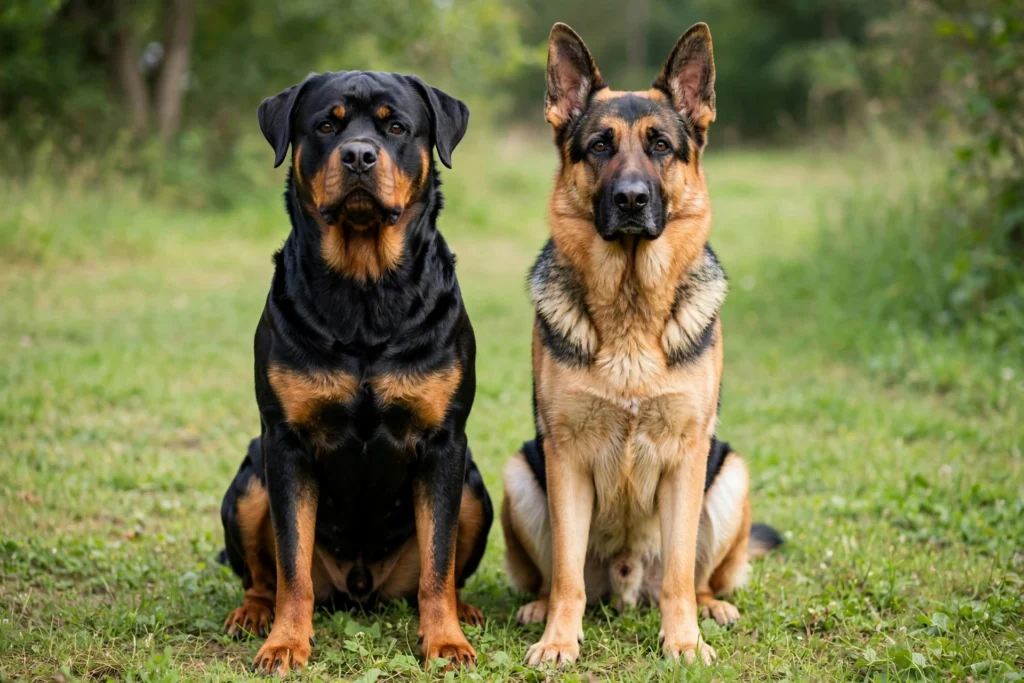
You probably think you know which dogs are the most aggressive.
Pit bulls. Rottweilers. The big scary ones, right?
Here is what shocked me after 8 years of training dogs. The most aggressive dog breeds in scientific studies are tiny. Dachshunds. Chihuahuas. Jack Russells.
This guide ranks the most aggressive dog breeds based on real research. Not rumors. Not headlines. I will also show you why aggression happens and how to prevent it in any breed.
Quick Answer: Most Aggressive Dog Breeds
Short on time? Here is what the research says.
Highest aggression scores (University of Pennsylvania study): Dachshund, Chihuahua, Jack Russell Terrier.
Most feared for bite damage: Pit Bull types, Rottweiler, German Shepherd, Doberman, Chow Chow.
The key insight: Small breeds bite more often. Large breeds cause more damage when they bite. Training and socialization matter more than breed.
Keep reading for the full ranking and what to do about aggression.
📋 Contents (click to open)
- The Surprising Truth About Aggressive Dog Breeds
- 12 Most Aggressive Dog Breeds Ranked
- Why Dogs Become Aggressive
- Warning Signs a Dog Is About to Bite
- Aggression Comparison Table
- Dog Bite Statistics: What the Numbers Really Say
- How to Prevent Aggression in Any Breed
- Breed Bans, Insurance, and Renting: The Practical Side
- Conclusion
- Related Guides
The Surprising Truth About Aggressive Dog Breeds
Let me tell you something most trainers know but rarely say out loud.
The dogs that bite the most are not the ones you fear.
A University of Pennsylvania study asked 6,000 dog owners about aggression. The results flipped everything upside down. Dachshunds scored highest for aggression toward strangers. Chihuahuas came next. Then Jack Russell Terriers.
Pit bulls and Rottweilers? They scored average or below average for aggression toward strangers.
Why Small Dogs Seem More Aggressive
Owners let small dogs get away with behavior they would never accept from a big dog.
A Chihuahua that growls gets picked up and cuddled. A German Shepherd that growls gets corrected. Over time, the small dog learns that aggression works.
Trainers call this “small dog syndrome.” It is real, and it is common.
But here is the other side. When a Chihuahua bites, you get a small cut. When a large powerful breed bites, the damage can be serious. That is why big breeds with guarding instincts need more careful training.
12 Most Aggressive Dog Breeds Ranked
This ranking blends bite statistics, aggression studies, and my hands-on experience. Remember, any dog can be sweet with the right owner.
1. Dachshund
The number one most aggressive dog breed in the UPenn study. One in five dachshunds showed serious aggression toward strangers.
Why: Bred to fight badgers underground. Fearless and stubborn. Owners often skip training because the dog is small.
2. Chihuahua
Tiny body, huge attitude. Chihuahuas ranked second for stranger aggression and first for owner-directed snapping in some surveys.
Why: Constantly picked up, rarely trained, and often fearful. Fear turns into biting fast.
3. Jack Russell Terrier
A rocket in a small package. High energy plus strong prey drive equals trouble without enough exercise.
Why: Bred to hunt foxes. Needs massive amounts of activity. Boredom becomes destruction and nipping.
4. American Pit Bull Terrier
The most misunderstood breed on this list. Pit bulls were bred for dog fighting, but they were also bred to be gentle with humans.
Why they rank here: Powerful jaws mean bites cause serious damage. Poor ownership and bad breeding have hurt this breed badly.
5. Rottweiler
A natural guardian with serious strength. Calm and loyal with family. Wary of strangers by instinct.
Why they rank here: Guarding instinct plus 130 pounds of muscle. Without early socialization, wariness becomes aggression.
6. German Shepherd
Smart, loyal, and protective. The most popular police dog breed in the world for good reason.
Why they rank here: Protective instincts run deep. An under-socialized shepherd may decide strangers are threats.
7. Doberman Pinscher
Sleek, fast, and alert. Bred specifically as a personal protection dog.
Why they rank here: Sharp guarding instincts. Needs confident leadership and lots of socialization from puppyhood.
8. Chow Chow
Looks like a teddy bear. Acts like a grumpy old man. One of the least social breeds I have worked with.
Why they rank here: Aloof and territorial by nature. Does not forgive rough handling. Needs an experienced owner.
9. Akita
Noble and dignified. Fiercely loyal to family. Often aggressive toward other dogs.
Why they rank here: Strong guarding instincts plus same-sex aggression. Not a dog park breed.
10. Boxer
Goofy and playful with family. Can be reactive toward strangers and other dogs.
Why they rank here: High energy and excitability. Jumping and mouthing can escalate without training.
11. Dogo Argentino
Bred in Argentina to hunt wild boar and puma. Powerful, athletic, and dominant.
Why they rank here: Extreme prey drive and strength. Banned in several countries. Experts only.
12. Presa Canario
A massive guardian breed from the Canary Islands. Calm but capable of explosive power.
Why they rank here: One of the strongest bite forces of any breed. Needs a highly experienced handler.
A trainer’s warning: This list is about tendencies, not destiny. I have met gentle pit bulls and aggressive golden retrievers. The owner matters more than the breed, every single time.
Why Dogs Become Aggressive
Aggression does not come from nowhere. In my experience, it almost always traces back to one of these causes.
Lack of Socialization
The number one cause of aggression I see is poor socialization.
Puppies need to meet 100 different people, dogs, and situations before 16 weeks old. Miss that window and fear grows.
Fear
Most “aggressive” dogs are actually scared dogs. A cornered dog bites. A confident dog walks away.
Pain or Illness
A normally sweet dog that suddenly growls may be hurting. Always rule out medical causes first.
Resource Guarding
Some dogs guard food, toys, or people. This is natural but needs management and training.
Bad Breeding
Puppy mills and careless breeders produce unstable temperaments. Always meet the parents if you can.
Warning Signs a Dog Is About to Bite
Almost every bite comes with warnings first. The problem is that most people only recognize the last one, the growl. Learning the earlier signs keeps you, your kids, and other dogs safe.
Watch for a stiff, frozen body, a hard stare, and a closed mouth with the lips pulled tight. A dog showing the whites of its eyes, often called whale eye, is stressed and asking for space.
Yawning, lip licking, and turning the head away are quieter stress signals. They look harmless, but they mean the dog is uncomfortable and needs distance, not a hug.
A tucked tail, raised hackles, and a low growl are the final warnings. Never punish a growl. A growl is information. Dogs that get punished for growling sometimes skip the warning next time and bite without one.
If you see these signs, stay calm, avoid direct eye contact, and slowly back away. Give the dog an exit route. Most dogs bite because they feel cornered, and a clear path out ends most tense moments without anyone getting hurt.
Most Aggressive Dog Breeds: Comparison Table
| Breed | Aggression Type | Bite Risk | Best Owner |
|---|---|---|---|
| Dachshund | Stranger snapping | Low damage | Patient, consistent |
| Chihuahua | Fear biting | Low damage | Calm, gentle |
| Jack Russell Terrier | Overexcitement | Low damage | Very active |
| Pit Bull Terrier | Dog reactivity | High damage | Experienced, strong |
| Rottweiler | Guarding | High damage | Confident leader |
| German Shepherd | Protective | High damage | Active, committed |
| Doberman | Guarding | High damage | Experienced |
| Chow Chow | Territorial | Medium damage | Experienced, calm |
Dog Bite Statistics: What the Numbers Really Say
Headlines love breed rankings, but the raw numbers tell a calmer story. Around 4.5 million dog bites happen in the United States every year, and roughly 800,000 of them need medical care, according to CDC cited estimates.
Children are the most common victims, which is why supervision matters more than any breed list. Most bites come from a family dog or a dog the child already knows, not a stranger’s dog.
Here is the catch. Bite statistics measure reported incidents, not temperament. A nip from a Chihuahua rarely gets reported. A bite from a large, powerful dog sends someone to the ER and lands in the data. That reporting gap makes big breeds look far more aggressive than small ones.
Breed identification is shaky too. Many bite reports rely on a witness or officer guessing the breed by looks, and studies show those guesses are often wrong, especially with mixed breeds. The term pit bull also covers several different breeds, which blurs the numbers further.
The honest takeaway: these statistics show which bites cause the most damage, not which dogs are born aggressive. Training, socialization, and supervision decide far more than a label does.
How to Prevent Aggression in Any Breed
Here is the good news. Aggression is preventable in almost every case. These are the same steps I give every client.
1. Socialize early and often. 100 new experiences before 16 weeks. Parks, people, sounds, surfaces.
2. Train with rewards, not fear. Punishment creates aggression. Rewards build trust.
3. Exercise the body and mind. A tired dog is a good dog. Puzzle toys count too.
4. Learn dog body language. Growling is communication, not disobedience. Never punish a growl.
5. Spay or neuter. Intact males are involved in most serious bite incidents.
6. Get help early. A good trainer costs less than a bite lawsuit. Do not wait.
The American Kennel Club breed directory has detailed temperament profiles for every breed. Read the one for your dog.
For the science behind breed aggression differences, the University of Pennsylvania study published in Applied Animal Behavior Science remains the gold standard. The ASPCA dog bite prevention guide shows how most of those risk factors can be prevented at home.
Breed Bans, Insurance, and Renting: The Practical Side
Falling in love with a breed on this list comes with homework that has nothing to do with training. Some cities and counties have breed specific laws that restrict or ban certain breeds, and the rules change often. Denver, for example, repealed its long standing pit bull ban in 2021 and replaced it with a permit system.
Insurance is the other surprise. Many homeowner and renters insurance companies ask what breed you own, and some charge more or refuse coverage for breeds they consider high risk. Always check your policy before bringing one of these dogs home, not after.
Renting adds one more layer. Landlords can legally refuse certain breeds in most areas, and a powerful dog can quietly shrink your future housing options.
None of this means these breeds make bad pets. Plenty of them are gentle, well loved family dogs. It simply means the paperwork deserves the same research as the puppy. A ten minute call to your insurer and a quick check of local rules can save you a painful decision later.
Conclusion
The most aggressive dog breeds list looks different than you expected. That is the point.
Aggression is not a breed problem. It is a people problem. Socialize early. Train kindly. Exercise daily. Those three things prevent more bites than any breed ban ever will.
If you already have a reactive dog, do not give up. I have turned around hundreds of them. Get a qualified trainer, be patient, and remember that your dog is not bad. They are just struggling.
Related Guides
- Reactive Dog Training: A Calm Step-by-Step Plan That Works
- Dog Obedience Training: 5 Commands Every Dog Should Know
- Service Dog Training: Honest Guide to Costs and Rules (2026)
- Puppy Training: 7-Day Starter Plan That Works (2026)
- German Shepherd Puppy: Complete First Year Guide (2026)
- Belgian Malinois Puppy: The Honest Guide Most Owners Read Too Late
- Doberman Puppy: Training, Care & Cost Guide (2026)
- Rottweiler Puppy: Training, Socialization & Care (2026)
Frequently Asked Questions
What is the most aggressive dog breed?
Based on the University of Pennsylvania study of 6,000 dogs, the Dachshund scored highest for aggression toward strangers, followed by the Chihuahua and Jack Russell Terrier. However, larger breeds like Pit Bulls and Rottweilers cause more damage when bites occur.
Are pit bulls naturally aggressive?
Pit bulls were bred for dog fighting but also bred to be gentle with humans. Studies show they score average or below average for aggression toward strangers. Poor ownership and bad breeding cause most pit bull problems, not the breed itself.
What causes aggression in dogs?
The most common causes are lack of socialization, fear, pain or illness, resource guarding, and bad breeding. In my training experience, poor socialization during puppyhood is the number one cause.
Can an aggressive dog be trained?
Yes, in almost every case. Early intervention with reward-based training, proper socialization, and adequate exercise resolves most aggression. Severe cases may need a certified behaviorist, but improvement is almost always possible.
Which dog breed bites the most?
Small breeds like Dachshunds and Chihuahuas bite most frequently according to owner surveys. However, Pit Bull types and Rottweilers are most often involved in serious bite incidents due to their size and jaw strength.
How do I stop my dog from being aggressive?
Start with a vet check to rule out pain. Then socialize gradually, train with rewards instead of punishment, provide plenty of exercise, and learn to read your dog’s body language. For serious aggression, hire a certified professional trainer.